 Skip to content

Online Hair Restoration Treatment for Women
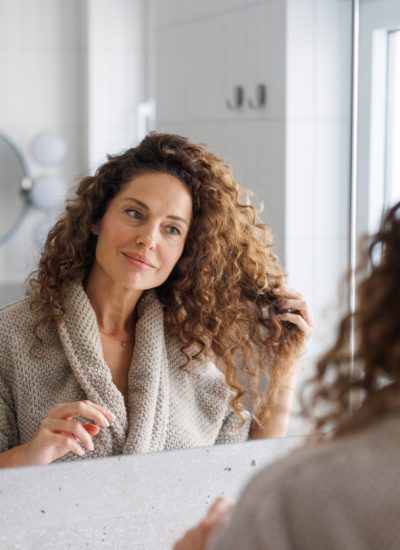
The Beauty of Every Strand Matters
Hair is more than just an style. It’s a reflection of our identity, our health, and our confidence. When it starts to thin or fall out, it can deeply affect how we feel about ourselves.
Common Factors That May Contribute to Hair Loss
- Hormonal Changes: Fluctuations in hormone levels during perimenopause, menopause, and other life stages may contribute to hair thinning or increased shedding.
- Stress: Physical or emotional stress may disrupt the normal hair growth cycle and contribute to temporary hair shedding.
- Nutritional Factors: Low levels of certain nutrients, including iron, vitamin D, protein, and other essential vitamins and minerals, may affect healthy hair growth.
- Genetics: Hereditary hair loss can contribute to gradual thinning over time and is one of the most common causes of hair loss in women.
Not Just Customized, Truly Personalized
Your health is our priority. Our expert physicians and care specialists collaborate with you to create a plan of proven treatments personalized to your unique wellness goals.
Real Impact, Every Day.
You’re not alone when it comes to your symptoms. Women of all ages are feeling it, too. Women come to us looking for the answers, and we’ve helped them feel good again! Here are our favorite success stories from women just like you.
FAQs:
Our Minoxidil and Finasteride Therapies Help Greatly Against Hair Loss
Healthy Hair Is Your Right!

Fixing thinning hair in women involves a multifaceted approach. Consider maintaining a nutrient-rich diet, managing stress, and using gentle hair care products. Our treatments, including Minoxidil and Finasteride, are available in various forms such as serums, pills, or shampoo and conditioners.
Dihydrotestosterone (DHT), a derivative of testosterone, is a hormone that can contribute to hair loss in females. An excess of DHT can lead to the shrinking of hair follicles, resulting in thinner and shorter hair growth. Hormonal fluctuations, especially during conditions like polycystic ovary syndrome (PCOS) or menopause, can increase DHT levels and contribute to female hair loss.
Minoxidil and Finasteride are generally considered safe when used as directed and under the guidance of a healthcare professional. Minoxidil is a topical solution, while finasteride is an oral medication. Both are FDA-approved for addressing hair loss.
Results from Finasteride and Minoxidil can vary. Minoxidil users may start seeing effects, such as increased hair density, in 3 months. Finasteride, which works by slowing hair loss and promoting regrowth, may take 6 months to a year for noticeable results.
Biotin, a B-vitamin, is often associated with promoting hair health. It plays a role in the production of keratin, a protein essential for hair growth. Vitamins like Vitamin A, Vitamin E, and Vitamin D contribute to overall hair health. However, it’s important to maintain a balanced diet with various nutrients for optimal results.
The main cause of hair thinning is often attributed to a combination of factors, including genetic predisposition, hormonal changes, and aging. Hormones like dihydrotestosterone (DHT) can contribute to the shrinking of hair follicles, leading to thinner hair growth.
Other factors such as stress, poor nutrition, and certain medical conditions can also contribute to hair thinning.
Have more questions? Let's talk!
Your well-being is our top priority.
If there’s anything you’re unsure about or if you simply want to learn more, please reach out. Our dedicated team is eager to assist, ensuring you’re confident and informed every step of the way – because your health journey deserves a personal touch.
