 Skip to content

Understanding Hair Thinning and Testosterone
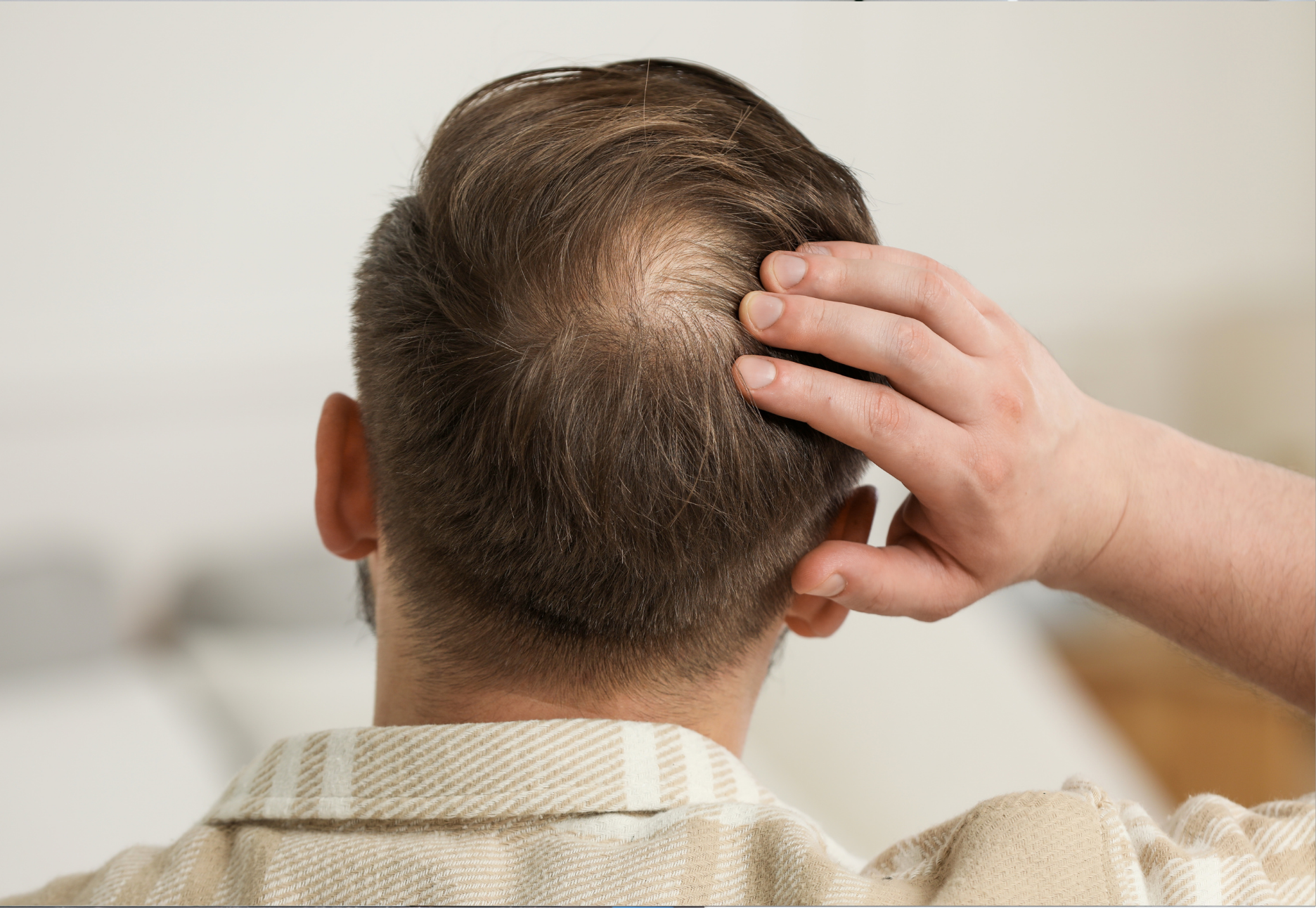
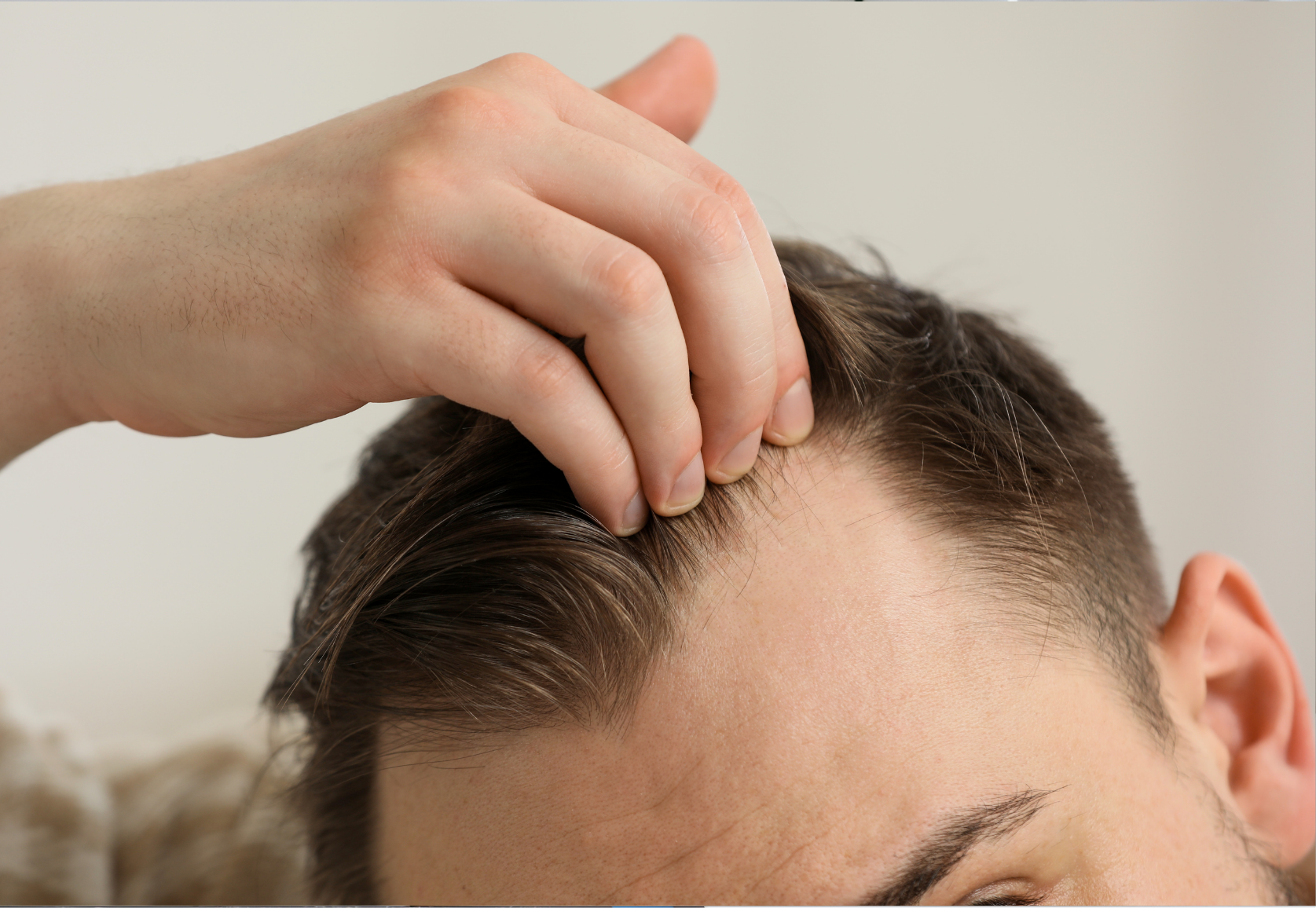
Hair thinning is a common concern among men, and testosterone replacement therapy (TRT) often raises questions about its role in accelerating hair loss. While TRT itself doesn’t directly cause hair loss, it can increase levels of dihydrotestosterone (DHT) , a hormone that contributes to male pattern baldness in genetically predisposed individuals.
If you’re already noticing thinning at the crown or temples, TRT may speed up the process. That’s why it’s essential to understand the relationship between testosterone, DHT, and hair health before starting treatment.
Key Stats on Hair Thinning and TRT:
TRT can increase dihydrotestosterone (DHT) levels, a hormone linked to male pattern baldness in genetically predisposed individuals.
Hair thinning on TRT is not universal, it primarily affects men with a family history of androgenetic alopecia.
DHT-related hair loss typically impacts the scalp, especially the temples and crown, while facial and body hair may actually thicken with TRT.
Management strategies like DHT blockers and minoxidil may help reduce the impact of hair thinning during TRT.
Why TRT Can Contribute to Hair Thinning
When testosterone is introduced into the body through TRT, some of it naturally converts into DHT. In men who are genetically prone to androgenetic alopecia (male pattern baldness), DHT binds to receptors in the scalp, causing hair follicles to shrink over time, leading to progressively finer hair and eventually hair loss.
Contributing factors include:
- Increased DHT levels from testosterone conversion
- Family history of baldness or early signs of thinning
- Sensitivity of hair follicles to hormonal changes
Important: Men without a genetic predisposition typically do not experience hair loss from TRT.
How to Manage Hair Thinning While on TRT
If you’re experiencing hair thinning or worried about it starting, there are several proven ways to manage or slow down the process while benefiting from TRT:
- DHT Blockers: Medications like finasteride or topical treatments can help reduce DHT levels.
- Minoxidil (Rogaine): A popular topical solution that supports hair regrowth and thickening.
- PRP Therapy: Platelet-rich plasma injections may help stimulate follicle regeneration.
- Low-Level Laser Therapy (LLLT): A non-invasive option that can help slow down shedding and promote healthier hair.
Your Evolve provider can help tailor a strategy that fits your goals, whether that includes addressing hair loss alongside your TRT or monitoring DHT levels as part of your treatment plan.
FAQs About TRT and Hair Thinning

TRT doesn’t cause baldness, but it can accelerate hair loss in men who are already genetically predisposed to male pattern hair loss.
Many men use DHT blockers, minoxidil, or other treatments while on TRT to help preserve hair.
If thinning has progressed, stopping TRT won’t typically restore lost hair, but it may slow further loss. Talk to a provider before making changes.
Your provider can guide you on combining hair-preserving treatments with testosterone therapy safely and effectively.
A family history of hair loss or early signs of thinning are the best indicators. Your provider can help evaluate your risk.
Protect Your Hair While Optimizing Testosterone
Hair thinning doesn’t have to be the price of optimizing your health. If you’re concerned about hair loss or noticing signs of thinning, Evolve Telemedicine can help. Our team offers personalized TRT plans and supportive solutions to help manage DHT levels and preserve hair, all from the comfort of home.
