Estrogen is often associated with healthy hair growth, but like most hormones, balance matters.
So, can too much estrogen cause hair loss? In some cases, yes.
While estrogen can support hair growth, shifts in hormonal balance, especially relative to other hormones, may contribute to increased shedding or thinning over time.
How Estrogen Affects Hair Growth
Hair grows in cycles, with each strand moving through a growth phase, a resting phase, and eventually shedding.
Estrogen can help keep hair in the growth phase longer, which is why some women notice fuller hair during times of higher estrogen levels. However, when hormone levels change, that balance can shift.
Instead of supporting growth, these changes may push more hair into the resting phase. Over time, this can lead to increased shedding or noticeable thinning.
It’s Not Just Estrogen. It’s Hormonal Balance
In many cases, the issue is not simply too much estrogen. It is how estrogen interacts with other hormones, especially progesterone.
Even if estrogen levels appear within a normal range, an imbalance between hormones can still affect how your body responds.
When that balance shifts, it may contribute to:
- Increased hair shedding
- Changes in hair thickness
- Irregular cycles
- Mood changes
Because these systems are connected, even small shifts in hormone levels can have noticeable effects.
Signs Your Hair Loss May Be Hormonal and Why Timing Can Be Misleading
Hair thinning is not always easy to trace back to a single cause, but certain patterns may suggest a hormonal component.
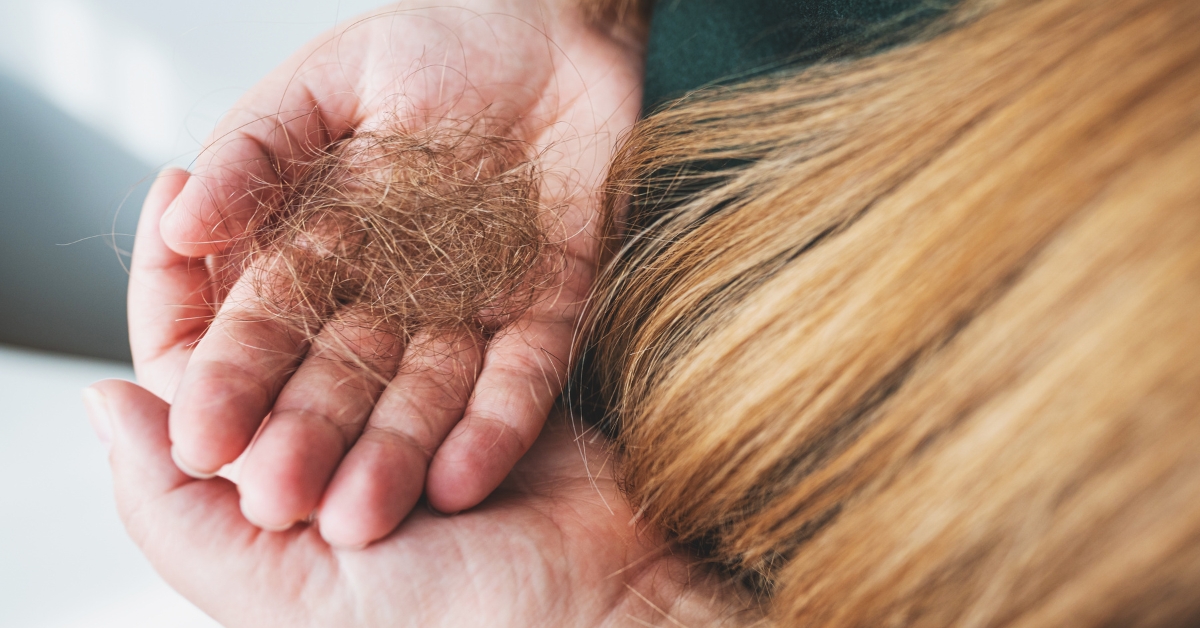
You may notice increased shedding during brushing or showering, thinning around the part line or crown, or changes that coincide with cycle shifts, postpartum changes, or perimenopause. Hair loss may also occur alongside symptoms like fatigue, low mood, or weight changes.
One of the most confusing parts of hair loss is timing. Hair changes often do not show up right away. There can be a delay of several weeks or even months between a hormonal shift and when shedding becomes noticeable.
This delay can make it difficult to connect hair loss to a specific cause, especially if multiple factors are involved. While these patterns do not confirm a hormonal issue on their own, they can be helpful signals when looking at the full picture.

Estrogen, Hormonal Balance, and Other Causes of Hair Loss
Hormones are only one part of the picture. While estrogen plays a role in hair growth, it does not act alone. Hair loss can also be influenced by factors such as androgen-related thinning, thyroid imbalances, stress-related shedding, and nutrient deficiencies.
It is also common to assume that more estrogen always supports hair growth. In reality, balance between hormones matters more than a single number. Even when estrogen levels fall within a normal range, an imbalance with other hormones can still affect how your body responds.
In many cases, hair thinning is not caused by one issue alone, but by a combination of factors over time. This is why looking at symptoms, history, and lab work together is often more helpful than focusing on a single hormone.
When To Speak With a Provider
If you are experiencing ongoing hair thinning or are unsure if your hormone levels are properly balanced, it may be time to take a closer look.
At Evolve, our providers take a personalized approach to hormone optimization, focusing on both lab values and patient symptoms. Getting a full picture of your hormone levels, rather than looking at estrogen alone, can help identify what may be contributing to changes in hair growth.
Book a complimentary consultation to review your labs, discuss your symptoms, and explore a plan tailored to you.
Frequently Asked Questions
Can too much estrogen cause hair loss?
Yes, in some cases elevated or imbalanced estrogen levels may contribute to increased hair shedding. This is often related to how estrogen interacts with other hormones rather than estrogen alone.
Is hair loss from hormonal imbalance reversible?
Hair changes related to hormonal shifts are often temporary. As hormone levels become more balanced, many individuals notice improvements over time.
How long does hormone-related hair loss last?
Hair loss related to hormonal changes may take several weeks or months to appear, and improvement can also take time as the body adjusts and hair cycles return to normal.
Does estrogen affect hair growth?
Estrogen plays a role in supporting hair growth by helping keep hair in the growth phase longer. Changes in estrogen levels may affect this cycle and lead to increased shedding.
What other hormones can affect hair loss?
Hormones such as progesterone and thyroid hormones can also influence hair growth. Hair changes are often the result of multiple factors rather than a single hormone.
When should I be concerned about hair thinning?
If hair thinning is persistent, worsening, or accompanied by other symptoms, it may be helpful to speak with a provider to evaluate potential underlying causes.