 Skip to content

Weight Gain During Menopause
Weight gain is a frequent concern for women going through menopause, often due to hormonal shifts, lifestyle changes, and aging. These changes can make it harder to maintain a healthy weight, even with regular exercise and a balanced diet.
At Evolve Telemedicine, we provide personalized treatment options, including Hormone Replacement Therapy (HRT), to help you regain control and achieve your health goals.
What Causes Weight Gain During Menopause?
Weight gain during menopause is primarily driven by hormonal changes, particularly the decline in estrogen levels. Estrogen helps regulate body fat distribution, and its reduction can lead to increased fat storage, especially in the abdominal area.
Key Contributing Factors:
- Hormonal Imbalances: Declining estrogen levels lead to a slower metabolism and changes in fat distribution.
- Reduced Muscle Mass: Aging naturally decreases muscle mass, lowering the number of calories burned at rest.
- Lifestyle Factors: Stress, sleep disturbances, and dietary choices can exacerbate weight gain.
How Common Is Weight Gain During Menopause?
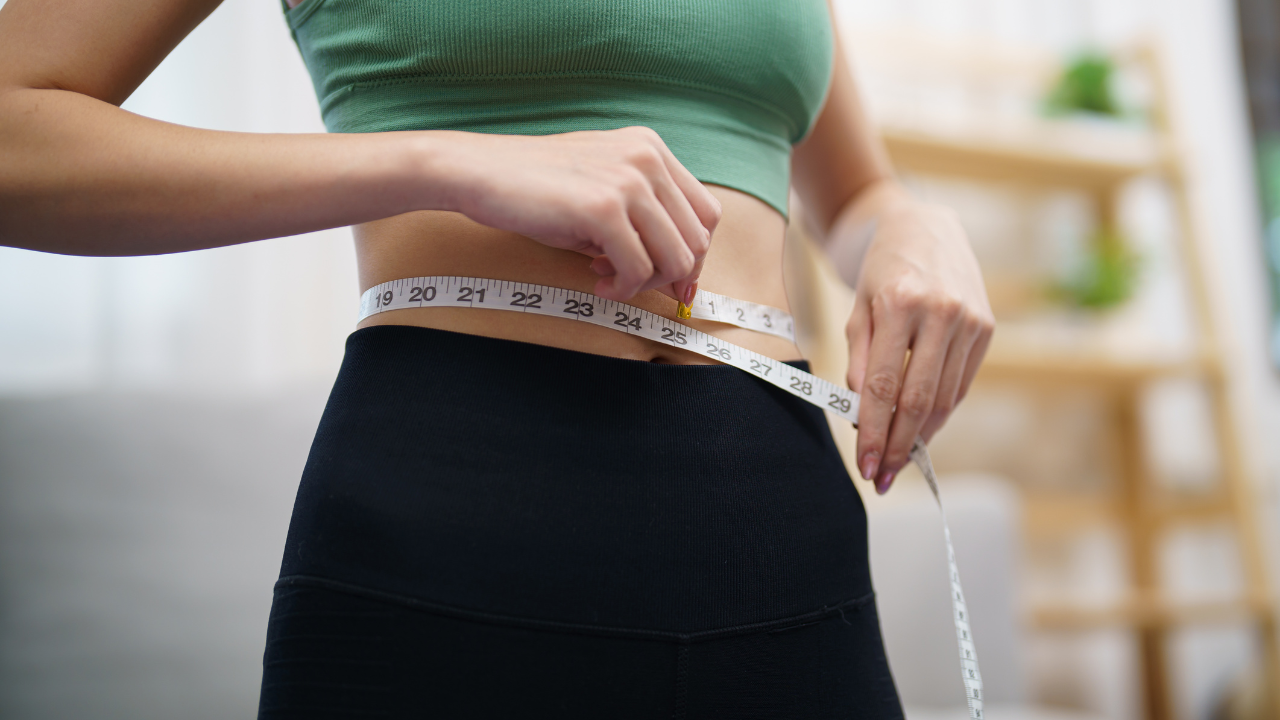
Research indicates that the majority of women experience some weight gain during menopause, with an average increase of 5-10 pounds during this transitional period. The distribution of weight also changes, with more fat accumulating around the abdomen rather than the hips and thighs.
Did you Know?
Women who experience significant sleep disturbances or high stress levels are more likely to gain weight during menopause, as these factors further disrupt hormonal balance.
Signs and Challenges of Menopause-Related Weight Gain
Common signs that indicate menopause-related weight gain include:
- Increased Fat Around the Abdomen: A noticeable shift in body fat storage.
- Slower Metabolism: Feeling like it’s harder to lose weight, even with effort.
- Associated Health Risks: Increased risk of diabetes, heart disease, and high blood pressure.

Tips for Managing Weight Gain During Menopause
While mood swings can feel overwhelming, these strategies may help regulate your emotions:
- Prioritize Protein: Include lean protein in every meal to support muscle maintenance and metabolism.
- Stay Active: Incorporate strength training and aerobic exercise to build muscle and burn calories.
- Get Quality Sleep: Address sleep disturbances, as poor sleep contributes to hormonal imbalances and weight gain.
- Stress Management: Practice relaxation techniques like yoga or meditation to reduce cortisol levels.
- Monitor Portion Sizes: Hormonal changes may affect hunger cues, so be mindful of eating habits.
Can Hormone Replacement Therapy (HRT) Help?
Yes, HRT can be a powerful tool in managing menopause-related weight gain. By stabilizing hormonal levels, HRT helps regulate metabolism, improve energy levels, and reduce fat accumulation.
Benefits of HRT for Weight Gain:
- Improves fat distribution by balancing estrogen levels.
- Supports muscle mass maintenance and metabolic health.
- Enhances energy and motivation for physical activity.
Evolve Telemedicine offers personalized HRT plans tailored to your health profile, ensuring safe and effective results.

FAQs About Weight Gain and Menopause

No, while it’s common, proactive lifestyle changes and treatments like HRT can help manage or prevent it.
Exercise is important, but hormonal imbalances may require additional interventions like HRT for optimal results.
Declining estrogen levels alter fat distribution, leading to more visceral fat storage in the abdominal area.
Yes, HRT is safe for most women when prescribed and monitored by a healthcare provider.
We offer personalized care plans, including HRT and lifestyle recommendations, to help you achieve your weight goals.
Take Control of Weight Gain Today
Weight gain doesn’t have to be an inevitable part of menopause. At Evolve Telemedicine, we provide expert guidance and personalized treatment options to help you manage weight and feel your best.
