Skip to content

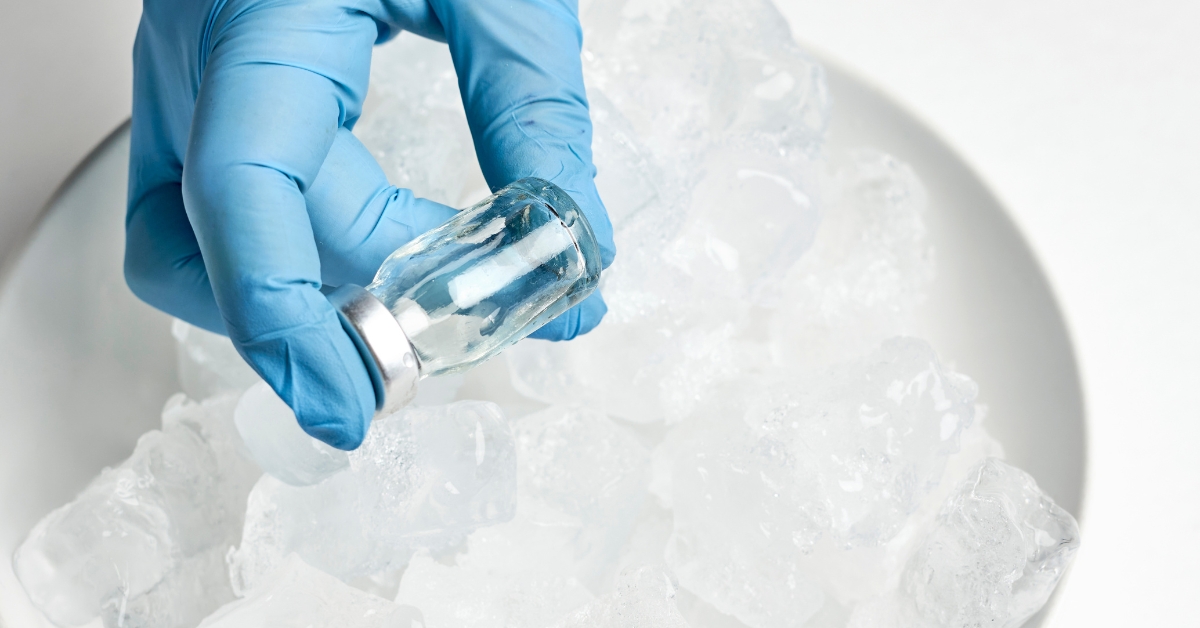
Starting testosterone replacement therapy comes with plenty of questions, especially if it’s your first time using injectable medication. Along with learning how to administer your injections, many patients wonder how to store their medication properly.
One of the most common questions is: Does testosterone need to be refrigerated?
The short answer is no. In fact, refrigerating most injectable testosterone can make it more difficult to use by changing the consistency of the medication. Proper storage helps preserve your medication and ensures it’s ready to use when you need it.
The Short Answer: Should Testosterone Be Refrigerated?
For most injectable testosterone medications, including testosterone cypionate and testosterone enanthate, the recommended storage environment is controlled room temperature, typically between 68°F and 77°F (20°C to 25°C). Always follow the storage instructions provided with your prescription, as recommendations may vary depending on the manufacturer.
Unlike medications that require refrigeration, injectable testosterone is suspended in a carrier oil that performs best at room temperature. Keeping your medication within the recommended temperature range helps maintain its consistency and makes injections easier.
Why Refrigerating Testosterone Can Cause Problems
Injectable testosterone is mixed with a carrier oil, such as cottonseed, sesame, or grapeseed oil, that allows the medication to be released gradually after injection.
When exposed to cold temperatures, these oils can thicken, and the testosterone may begin to crystallize, creating white or cloudy particles inside the vial. Although this can be alarming, it doesn’t necessarily mean the medication has been ruined.
If your vial develops crystals after being exposed to the cold, try one of these methods:
- Roll the vial gently between your hands for several minutes.
- Place the sealed vial in warm (not hot) water for a few minutes.
- Gently swirl the vial until the solution becomes clear.
Avoid using boiling water, microwaving the vial, or exposing it to direct heat. If the solution remains cloudy or contains particles after warming, contact your pharmacist or healthcare provider before using it.
Can Heat Damage Testosterone?
Just as cold temperatures can affect testosterone, prolonged exposure to excessive heat may also impact the medication over time. That’s why it’s important to store it according to the manufacturer’s instructions.
To help protect your medication:
- Store it at room temperature.
- Keep it out of direct sunlight.
- Avoid leaving it in a parked vehicle.
- Store it somewhere cool and dry rather than in a humid bathroom.
A bedroom drawer or dedicated medicine cabinet is often a better choice than a bathroom cabinet, where temperature and humidity frequently change.
Does Testosterone Go Bad?
Yes. Like all prescription medications, testosterone has an expiration date and should not be used beyond that date. Once a multi-dose vial has been punctured, follow your pharmacy’s instructions for how long it can be safely used.
Before each injection, inspect the medication. If you notice persistent cloudiness, floating particles, significant discoloration, or a damaged vial, contact your healthcare provider or pharmacist before using it.

Best Practices for Storing Testosterone
Storing testosterone correctly is simple and can help protect the quality of your medication. To help ensure your medication remains effective:
- Store testosterone at room temperature unless instructed otherwise.
- Keep the vial in its original packaging to help protect it from light.
- Store it in a cool, dry place away from humidity.
- Avoid exposing it to extreme heat or freezing temperatures.
- Inspect the vial before each injection for any changes in appearance.
When to Speak With a Provider
If you have questions about storing your testosterone or notice anything unusual about your medication, it’s important to speak with your healthcare provider before using it. You should also reach out if your medication has been exposed to extreme temperatures, remains cloudy after warming, contains particles or discoloration, or you’re unsure whether it’s still safe to use.
If you’re considering testosterone replacement therapy or have questions about your current treatment, working with an experienced healthcare provider can help ensure you’re using your medication safely and effectively.
At Evolve, our board-certified providers take a personalized approach to testosterone replacement therapy by evaluating your symptoms, medical history, lab work, and health goals. This comprehensive approach helps determine whether TRT may be appropriate and supports ongoing care throughout your treatment.
Book a complimentary consultation to discuss your symptoms, review your health history, and explore treatment options that may be appropriate for your needs.
Frequently Asked Questions
Does testosterone need to be refrigerated?
No. Most injectable testosterone medications should be stored at controlled room temperature. Always follow the storage instructions included with your prescription.
What happens if I accidentally refrigerate my testosterone?
The medication may thicken or develop crystals. In many cases, gently warming the vial can restore its normal appearance. If you’re unsure whether it’s safe to use, contact your pharmacist or healthcare provider before injecting.
Can testosterone be left in a hot car?
It’s best not to. High temperatures inside parked vehicles can exceed the recommended storage range and may affect the medication over time.
How should I store testosterone while traveling?
Keep your medication in your carry-on luggage, leave it in its original pharmacy packaging, and avoid exposing it to extreme temperatures whenever possible.