Skip to content

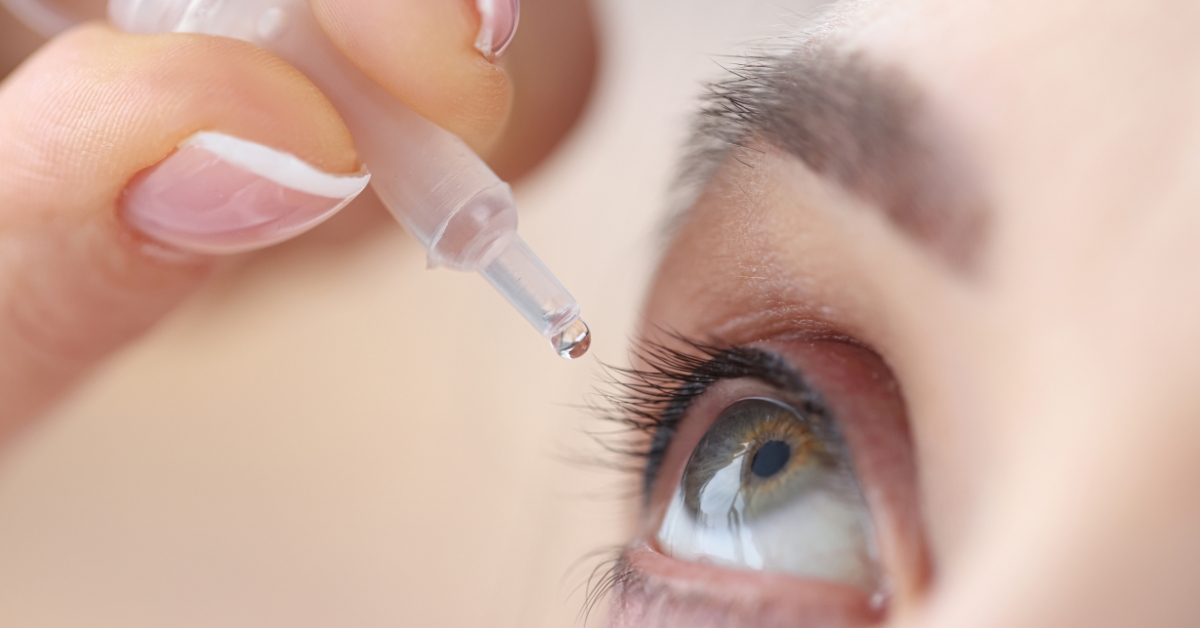
Dry eyes are a common yet often overlooked symptom that some women experience during perimenopause and menopause. Hormonal changes, particularly declining estrogen levels, may affect tear production and the quality of the tear film that helps keep the eyes lubricated.
While dry eyes can occur for many reasons, hormonal fluctuations may contribute to symptoms such as irritation, burning, redness, or blurred vision in some women. Understanding the connection between menopause and eye health can help you recognize when it may be time to discuss your symptoms with a healthcare provider.
How Do Hormonal Changes Affect Eye Health?
During perimenopause and menopause, estrogen and progesterone levels naturally fluctuate before eventually declining. These hormonal changes affect multiple systems throughout the body, including the glands responsible for producing tears.
When tear production or tear quality changes, the eyes may become less lubricated, leading to discomfort throughout the day. Some women notice symptoms only occasionally, while others experience dry eyes more consistently.
Hormones are only one factor that can influence eye health. Aging, certain medications, environmental conditions, contact lens use, and underlying medical conditions may also contribute to dry eye symptoms.
What Do Menopause-Related Dry Eyes Feel Like?
Dry eye symptoms can vary from person to person. Some women experience mild irritation, while others find that symptoms interfere with reading, working on a computer, or other daily activities.
Common symptoms may include:
- Dry or gritty eyes
- Burning or stinging sensations
- Redness
- Itchy eyes
- Blurred vision that improves with blinking
- Increased sensitivity to light
- Excessive tearing as the eyes respond to irritation
Because these symptoms often develop gradually, they may be mistaken for seasonal allergies or normal aging rather than a possible effect of hormonal changes.
Other Menopause Symptoms That May Occur Alongside Dry Eyes
Dry eyes often occur alongside other symptoms associated with perimenopause and menopause. As hormone levels fluctuate, many women experience changes affecting multiple areas of their health at the same time.
Some women may also notice:
- Hot flashes
- Night sweats
- Sleep disturbances
- Fatigue
- Brain fog
- Mood changes
- Vaginal dryness
- Changes in skin or hair
Looking at symptoms together rather than individually can provide a more complete understanding of what may be contributing to how you feel.
Can Hormone Therapy Support Menopause Symptoms?
For some women, provider-guided hormone therapy may be considered as one part of a personalized menopause care plan.
In certain cases, addressing hormone changes may help support symptoms related to overall comfort, sleep, mood, energy levels, and well-being. However, individual response varies, and hormone therapy should not be viewed as a guaranteed treatment for dry eyes.
At Evolve, our providers develop personalized care plans based on symptoms, lab work, medical history, and individual goals. Treatment recommendations are carefully monitored and tailored to each person’s unique needs.

Supporting Eye Comfort During Menopause
While hormone changes may contribute to dry eyes for some women, there are several everyday habits that may help support eye comfort.
These may include:
- Staying well hydrated
- Taking regular breaks from digital screens
- Using a humidifier in dry environments
- Wearing sunglasses outdoors to reduce wind exposure
- Discussing appropriate lubricating eye drops with your healthcare provider
- Keeping up with routine eye examinations
Because dry eyes can have multiple contributing factors, a comprehensive evaluation can help determine the most appropriate approach for managing symptoms.
When To Speak With a Provider
If you are experiencing persistent dry eyes along with other menopause symptoms, it may be worth taking a closer look at what may be contributing to your discomfort.
At Evolve, our providers take a personalized approach to menopause care by evaluating symptoms and lab work together rather than focusing on a single concern. This whole-person approach helps create care plans that reflect your individual symptoms, goals, and overall health.
Book a complimentary consultation to discuss your symptoms, review your health history, and explore care options that may be appropriate for your needs.
Frequently Asked Questions
Can menopause cause dry eyes?
Yes. Hormonal changes during perimenopause and menopause may contribute to dry eye symptoms in some women by affecting tear production and tear quality.
Why do dry eyes happen during menopause?
Declining estrogen levels may influence the glands that help keep the eyes lubricated. Aging, medications, and environmental factors may also contribute.
Are dry eyes a common menopause symptom?
Dry eyes are a relatively common symptom during menopause, although they are often less recognized than symptoms such as hot flashes or night sweats.
Can hormone therapy help with dry eyes?
For some women, provider-guided hormone therapy may help support menopause symptoms. Individual response varies, and it should not be considered a guaranteed treatment for dry eyes.
What can help relieve dry eyes during menopause?
Staying hydrated, reducing screen strain, maintaining routine eye care, and discussing appropriate treatment options with your healthcare provider may help support eye comfort.
When should I talk to a provider about dry eyes?
If dry eyes are persistent, worsening, affecting your vision, or occurring alongside other menopause symptoms, it may be helpful to speak with a healthcare provider for an evaluation.