
If you’ve noticed your libido drop at certain points in your cycle, you’re not alone.
Many individuals experience a predictable decrease in sexual desire in the second half of their cycle. This shift is often tied to progesterone, a hormone that plays an important role in both reproductive health and nervous system regulation.
Rather than being a relationship issue or loss of interest, this change is often a normal biological response.
How Hormonal Changes Influence Desire
Hormones fluctuate throughout the menstrual cycle, and each phase can affect energy, mood, and libido differently.
During the first half of the cycle, estrogen tends to be higher and is often associated with:
- Increased energy
- Improved mood and confidence
- Higher sexual interest
After ovulation, progesterone becomes the dominant hormone. Its role is to support the body in preparing for a potential pregnancy, which includes promoting a more relaxed physiological state.
As progesterone rises, many individuals notice:
- Lower energy levels
- Increased fatigue
- Reduced sexual interest
This shift reflects a natural change in the body’s priorities during this phase.
Progesterone also affects the brain. As it is metabolized, it converts into compounds that interact with GABA receptors, which help regulate calmness and relaxation. While this can support rest and recovery, it can also reduce mental stimulation and arousal.
At the same time, libido is not driven by progesterone alone. The balance between progesterone, estrogen, and other hormones plays a larger role:
- Estrogen supports blood flow and physical arousal
- Testosterone contributes to sexual desire
When progesterone is elevated relative to these hormones, libido may feel suppressed even if levels appear within a normal range.
Other Factors That Can Affect Libido
Hormonal shifts are only one part of the picture.
Libido can also be influenced by several overlapping factors, including:
- Hormonal birth control
- Chronic stress
- Life stage changes such as perimenopause
Hormonal contraceptives use synthetic versions of progesterone, known as progestins, which can keep the body in a more consistently suppressed hormonal state. In some cases, this may contribute to lower libido or changes in energy and mood.
Stress can also play a significant role. When the body prioritizes cortisol production, it can impact overall hormone balance and reduce interest in intimacy.
During perimenopause, hormone levels become less stable. Progesterone often declines more quickly than estrogen, which can lead to:
- Sleep disturbances
- Mood changes
- Reduced sexual desire
Because these factors often overlap, focusing on a single hormone rarely tells the full story.
Understanding Your Patterns
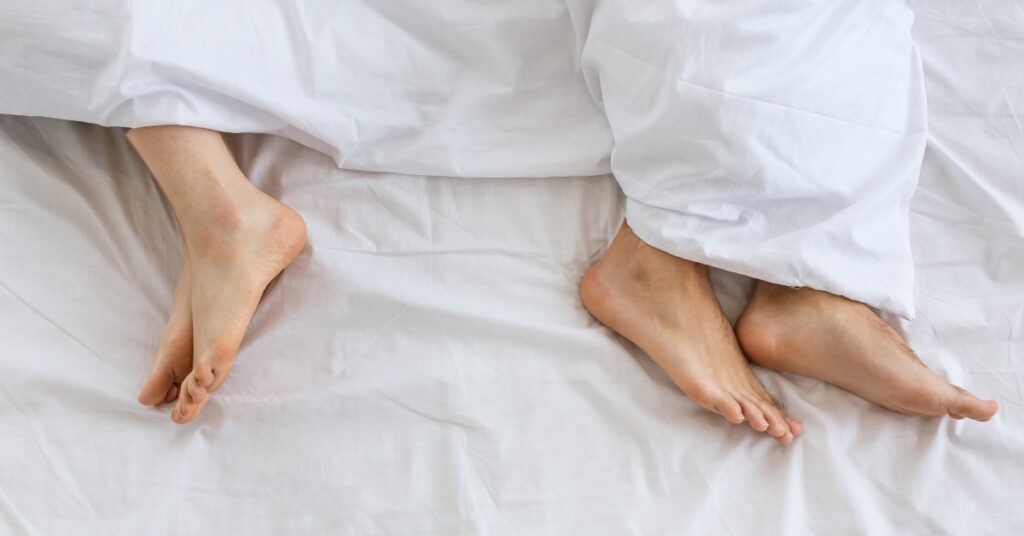
Libido is not meant to feel the same every day.
Understanding how your hormones fluctuate can help you better anticipate changes in energy, mood, and sexual interest throughout the month.
For some, this means recognizing patterns in their cycle. For others, it may involve looking more closely at stress levels, lifestyle factors, or changes in hormone production over time.
This awareness can help reduce frustration and create a more realistic expectation of what “normal” looks like for your body.
When To Speak With a Provider
If you are experiencing ongoing low libido or feel like your sex drive has significantly changed, it may be time to take a closer look.
At Evolve, our providers take a personalized approach to hormone optimization, focusing on both lab values and patient symptoms. Getting a full picture of your hormone levels, rather than looking at progesterone alone, can help identify what may be contributing to changes in sexual health and desire.
Book a complimentary consultation to review your labs, discuss your symptoms, and explore a plan tailored to you.
Frequently Asked Questions
Can progesterone lower libido?
Yes, higher progesterone levels can be associated with a decrease in libido, particularly during the second half of the menstrual cycle. This is often due to its calming effects on the nervous system and its relationship with other hormones.
Why does my sex drive drop before my period?
A drop in libido before your period is commonly linked to rising progesterone levels during the luteal phase. This shift can lead to lower energy, increased fatigue, and reduced sexual interest.
Does progesterone affect the brain?
Yes, progesterone is converted into neuroactive compounds that interact with GABA receptors in the brain. This can promote relaxation and reduce stress, but may also lower mental stimulation and arousal.
Can birth control affect libido?
In some cases, yes. Hormonal birth control can alter hormone balance and may reduce levels of free testosterone, which plays a role in sexual desire.
Is it normal for libido to change throughout the month?
Yes, fluctuations in libido throughout the menstrual cycle are common. Hormonal shifts can naturally influence energy, mood, and sexual interest.
When should I be concerned about low libido?
If low libido is persistent, worsening, or impacting your quality of life, it may be helpful to speak with a provider to evaluate potential hormonal or lifestyle-related causes.