Skip to content

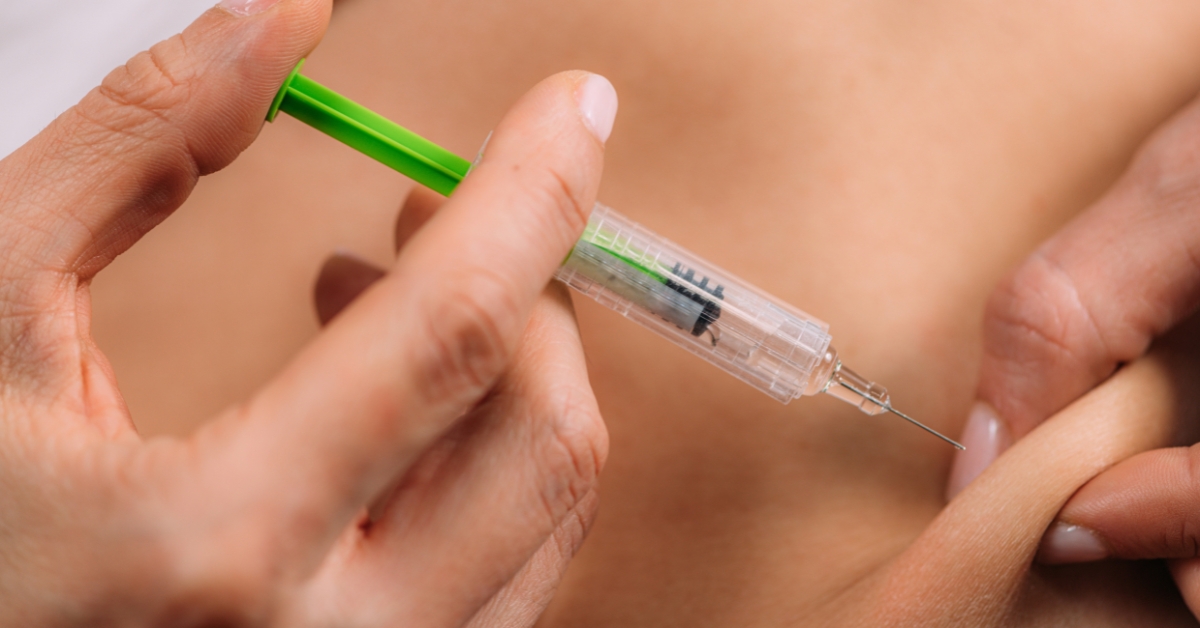
When a medication is prescribed by injection, how it’s administered can be an important part of the treatment plan. Two common methods are intramuscular (IM) and subcutaneous (SQ) injections. While both deliver medication beneath the skin, they target different types of tissue and may affect how a medication is absorbed.
If you’re comparing IM vs. SQ injections, the right option isn’t simply a matter of preference. The medication being used, its formulation, your individual needs, and your provider’s recommendations can all influence which injection method is appropriate.
IM vs. SQ Injection: What’s the Difference?
The primary difference between an intramuscular and subcutaneous injection is where the medication is delivered.
An intramuscular (IM) injection delivers medication into muscle tissue. Muscle has a relatively rich blood supply, which can allow certain medications to be absorbed efficiently.
A subcutaneous (SQ) injection delivers medication into the layer of fatty tissue beneath the skin. This tissue generally has less blood flow than muscle, which can result in a different pattern of absorption.
Neither method is universally “better.” Each has advantages depending on the medication, formulation, and individual patient.
Intramuscular vs. Subcutaneous Injection Absorption
One reason healthcare providers consider the injection route is that different tissues absorb medications differently.
Muscle tissue generally has greater blood flow than subcutaneous tissue. As a result, medications administered intramuscularly may have different absorption characteristics than medications delivered subcutaneously.
However, absorption isn’t determined by injection location alone. Medication formulation, dose, blood flow, individual physiology, and other factors can influence how a medication behaves in the body.
This is why patients shouldn’t change from IM to SQ injections, or vice versa, without first discussing the change with their healthcare provider.
What Medications Are Given Subcutaneously?
Subcutaneous injections are commonly used for medications designed to be administered in relatively small amounts beneath the skin.
Examples can include certain:
- Diabetes medications
- Anticoagulants
- Biologic medications
- Fertility medications
- Hormone therapies
Some medications may be appropriate for subcutaneous administration while others are specifically formulated or approved for another route.
Your provider or pharmacist can explain the appropriate administration method for your particular prescription.
What Medications Are Given Intramuscularly?
Intramuscular injections are also used across many areas of medicine. Depending on the medication and formulation, IM administration may be used for certain:
- Vaccines
- Hormone therapies
- Vitamin preparations
- Antibiotics
- Long-acting medications
Some injectable medications may be available in formulations that allow different administration methods, while others should only be administered using the route specified in their prescribing information.
IM vs. SQ Injections for Hormone Therapy
For patients receiving hormone therapy, the difference between IM and SQ injections may be especially relevant.
Certain injectable hormone preparations have traditionally been administered intramuscularly. Depending on the specific medication and individual treatment plan, a healthcare provider may determine that another administration method is appropriate.
Several factors can influence that decision, including:
- The medication and formulation
- Treatment goals
- Individual response
- Comfort and preference
- Dosing schedule
- Previous injection experience
- Provider recommendations
Rather than assuming one injection method will produce better results, patients should work with their healthcare provider to determine which approach is appropriate for their prescribed treatment.

Where Are IM and SQ Injections Given?
Injection sites differ because IM and SQ injections target different types of tissue.
Common Intramuscular Injection Sites
Depending on the medication and individual circumstances, common IM injection areas may include the:
- Upper arm
- Thigh
- Hip or gluteal region
The appropriate site depends on factors such as the medication, injection volume, and individual anatomy.
Common Subcutaneous Injection Sites
Subcutaneous injections are generally administered in areas where there is sufficient fatty tissue beneath the skin. Common areas may include the:
- Abdomen
- Thigh
- Upper arm
- Hip area
Patients who self-administer medication should receive instructions from their healthcare provider or pharmacy on appropriate injection sites and site rotation.
Are Subcutaneous Injections Less Painful Than IM Injections?
Some patients find subcutaneous injections more comfortable because they generally use smaller needles and do not need to reach muscle tissue. However, injection comfort varies considerably from person to person.
Factors that can affect discomfort include the medication itself, injection location, individual sensitivity, technique, and repeated use of the same area.
Minor tenderness, bruising, or irritation can sometimes occur following an injection. Patients experiencing persistent or worsening symptoms should contact their healthcare provider.
Can You Switch From IM to SQ Injections?
Patients shouldn’t automatically switch injection routes simply because another method seems more convenient or comfortable.
A medication prescribed for IM administration may not necessarily be appropriate for SQ administration. The route can influence absorption and may also be determined by the medication’s formulation and prescribing information.
If you’re interested in changing your injection method, speak with your healthcare provider first. They can determine whether another administration route is appropriate for your medication and treatment plan.
Why Proper Injection Training Matters
For medications intended to be self-administered, proper education is an important part of treatment.
Patients should understand the administration method prescribed to them, appropriate injection sites, safe medication handling, and proper disposal of needles and syringes. Your healthcare team can also answer questions if you’re experiencing discomfort or having difficulty administering your medication.
Online instructions shouldn’t replace individualized training from a qualified healthcare professional, particularly when beginning a new injectable medication.
When to Speak With a Provider
If you’ve been prescribed an injectable medication and have questions about IM vs. SQ injections, speak with your healthcare provider before changing how your medication is administered.
At Evolve Telemedicine, our board-certified providers develop individualized treatment plans based on each patient’s medical history, symptoms, laboratory findings when appropriate, and health goals. When injectable treatment is prescribed, our team can provide guidance on the administration method appropriate for your specific treatment plan.
Book a complimentary consultation to discuss your health goals and learn more about personalized, physician-guided care.
Frequently Asked Questions
What is the main difference between IM and SQ injections?
An IM injection delivers medication into muscle tissue, while an SQ injection delivers medication into the fatty tissue beneath the skin. These tissues have different characteristics that can influence medication absorption.
Is an IM injection better than a subcutaneous injection?
Not necessarily. The appropriate injection route depends on the medication, its formulation, the patient’s individual circumstances, and the healthcare provider’s recommendations.
Do IM injections absorb faster than SQ injections?
Muscle generally has greater blood flow than subcutaneous tissue, which can affect absorption. However, the actual absorption of a medication depends on several factors, including its formulation and individual patient characteristics.
Where are subcutaneous injections typically given?
Common areas include the abdomen, thigh, upper arm, and hip area. The appropriate location depends on the medication and instructions provided by your healthcare team.
Can hormone therapy be administered subcutaneously?
Some hormone medications or formulations may be administered subcutaneously when clinically appropriate. Patients should follow the administration route prescribed by their healthcare provider rather than changing injection methods independently.
Can I switch from intramuscular to subcutaneous injections?
You should speak with your healthcare provider before changing injection routes. Whether a medication can be administered using a different method depends on the medication, formulation, prescribing information, and your individual treatment plan.