Skip to content

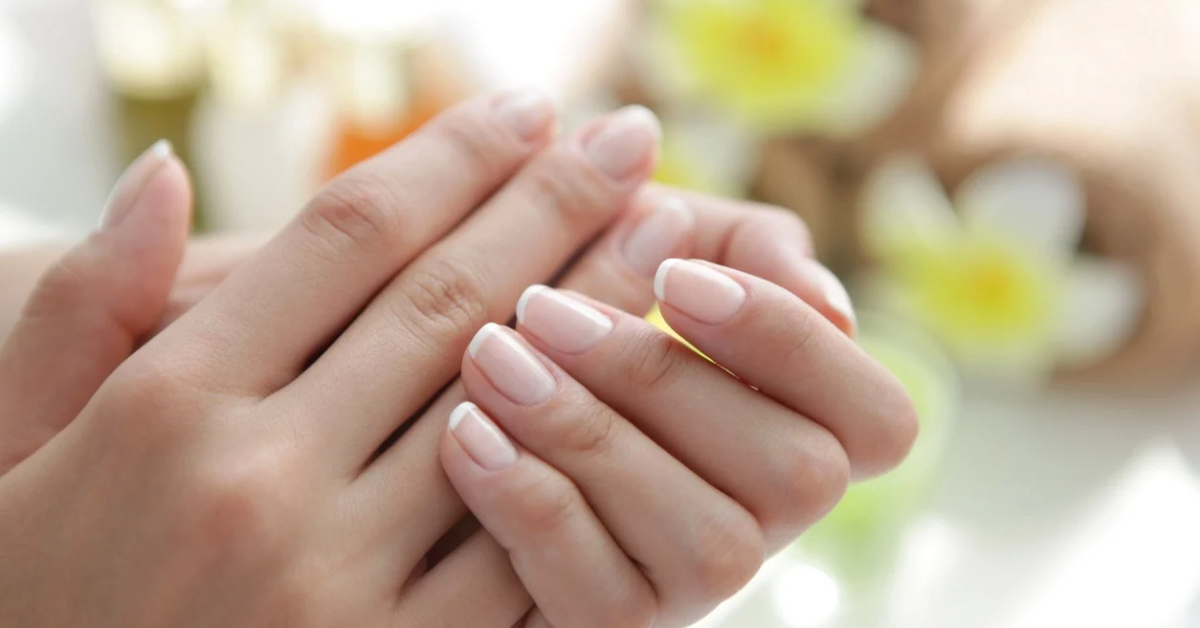
Menopause can contribute to changes in nail health, including nails that become brittle, dry, or more prone to splitting. As estrogen levels fluctuate and decline during perimenopause and menopause, some women notice changes in the appearance and strength of their fingernails. Although brittle nails are often associated with aging, hormonal changes may also play a contributing role.
Nail health is influenced by several factors, including nutrition, underlying medical conditions, and everyday exposure to water or chemicals. Understanding why brittle nails may become more noticeable during menopause can help women recognize potential causes and determine when additional evaluation may be appropriate.
Why Can Menopause Cause Brittle Nails?
Estrogen plays an important role in several processes that support skin and tissue health. During perimenopause and menopause, changing hormone levels may influence the condition of the nails and surrounding tissues, potentially contributing to increased brittleness.
Nails are primarily made of keratin, a protein that provides structure and strength. Although researchers are still studying the relationship between estrogen and nail health, hormonal changes may influence nail characteristics during the menopause transition.
Natural aging can also affect nail strength and growth. As women get older, nails may become more fragile and susceptible to splitting or peeling. These age-related changes can occur alongside hormonal fluctuations, making it difficult to identify one specific cause.
What Do Brittle Nails During Menopause Look Like?
Brittle nails can develop gradually, and the changes may initially seem minor. Some women notice that their nails break more easily than they used to, while others experience persistent peeling or splitting despite maintaining their usual nail care routine.
Common signs may include:
- Nails that chip or break easily
- Peeling or splitting at the tips
- Dry or fragile nail surfaces
- Nails that feel thinner or weaker
- Increased sensitivity to everyday wear
- Changes in nail texture or appearance
These symptoms can affect one or several nails and may become more noticeable with frequent handwashing, cleaning, or exposure to nail products. While mild brittleness is common, significant changes in nail color, shape, or texture may warrant further evaluation.
What Else Can Cause Brittle Nails?
Although menopause may contribute to changes in nail health, brittle nails are not always related to hormones. Environmental factors are among the most common causes, particularly repeated exposure to water, detergents, and harsh nail products.
Frequent handwashing, cleaning without gloves, and repeated use of nail polish removers can weaken the nail plate over time. Artificial nails and certain manicure techniques may also contribute to damage, especially when products are removed frequently.
Nutritional deficiencies and medical conditions can sometimes play a role. Low iron levels, thyroid disorders, and certain skin conditions may affect nail strength or appearance. Because these concerns can overlap with symptoms experienced during menopause, a healthcare provider may recommend further evaluation when nail changes are persistent or unexplained.
Other Menopause Symptoms That May Occur Alongside Brittle Nails
Nail changes may develop alongside other symptoms during perimenopause and menopause. As hormone levels fluctuate, some women notice changes affecting their skin, hair, sleep, and overall well-being.
Other symptoms may include:
- Dry or itchy skin
- Hair thinning or changes in hair texture
- Hot flashes and night sweats
- Weight gain
- Mood changes
- Vaginal dryness
Experiencing several symptoms together may suggest that the menopause transition is affecting multiple areas of health. However, these symptoms can also have unrelated causes, so it is important to consider the broader picture rather than assuming hormonal changes are responsible for every concern.
How Can You Support Nail Health During Menopause?
Taking steps to protect the nails from everyday damage may help reduce brittleness and improve overall nail comfort. Because environmental exposure is a common contributor, small changes in nail care habits can be particularly helpful.
Regularly moisturizing the hands, nails, and cuticles may help reduce dryness. Wearing protective gloves when washing dishes or using cleaning products can also limit repeated exposure to water and chemicals. Keeping nails trimmed and avoiding aggressive filing or frequent artificial nail applications may help prevent additional damage.
A balanced diet that provides adequate protein, iron, and other essential nutrients also supports normal nail growth. However, supplements are not always necessary, and taking additional vitamins without an identified deficiency may not improve nail strength. Discuss persistent nail concerns with a healthcare provider before beginning new supplements.
Can Hormone Therapy Support Menopause Symptoms?
For some women, hormone replacement therapy (HRT) may be considered as part of an individualized menopause care plan. Treatment decisions depend on symptoms, medical history, risk factors, and overall health goals.
Although hormonal changes may contribute to brittle nails, there is limited evidence that hormone therapy directly improves nail strength. HRT should not be viewed as a specific or guaranteed treatment for brittle nails.
At Evolve, our providers take a personalized approach to menopause care by evaluating symptoms, relevant lab work, medical history, and individual needs. When hormone therapy is appropriate, treatment is prescribed and monitored by a healthcare provider.
When To Speak With a Provider
Occasional nail breakage is common, but persistent brittleness or noticeable changes in nail appearance may be worth discussing with a healthcare provider. This is especially important when nail changes occur alongside fatigue, hair thinning, skin changes, or other unexplained symptoms.
A comprehensive evaluation can help identify whether nutritional deficiencies, thyroid concerns, environmental factors, or hormonal changes may be contributing.
At Evolve, our providers consider your symptoms and overall health when discussing personalized menopause care. Understanding the potential connection between brittle nails during menopause and other hormonal changes can help you make more informed decisions about your health.
Book a complimentary consultation to discuss your menopause symptoms and explore Evolve’s personalized, provider-guided approach to hormone health.
Frequently Asked Questions
Can menopause cause brittle nails?
Yes. Some women experience brittle, peeling, or splitting nails during perimenopause and menopause. Hormonal changes may contribute, although aging, environmental exposure, and other health factors can also affect nail strength.
Why are my nails suddenly brittle during menopause?
Changes in hormone levels may contribute to nail brittleness during menopause. However, frequent exposure to water, harsh nail products, nutritional deficiencies, and thyroid conditions are also possible causes.
Can perimenopause cause brittle nails?
Yes. Changes in nail strength or appearance may begin during perimenopause as hormone levels fluctuate. However, brittle nails alone are not a reliable indicator of perimenopause.
Can low estrogen affect nail health?
Declining estrogen may contribute to changes in nail health, although the direct relationship between estrogen levels and nail strength is not fully understood. Aging and other health factors may also play a role.
What helps brittle nails during menopause?
Moisturizing regularly, limiting exposure to harsh chemicals, wearing protective gloves, and maintaining a balanced diet may help support nail health. Persistent brittleness may require evaluation for underlying causes.
Can hormone therapy improve brittle nails?
There is limited evidence that hormone therapy directly improves brittle nails. HRT may be appropriate for certain menopause symptoms, but it should not be considered a guaranteed treatment for nail changes.
When should I speak with a provider about brittle nails?
If your nails become persistently brittle, develop significant changes in color or shape, or are accompanied by other unexplained symptoms, consider speaking with a healthcare provider to identify potential contributing factors.