Skip to content


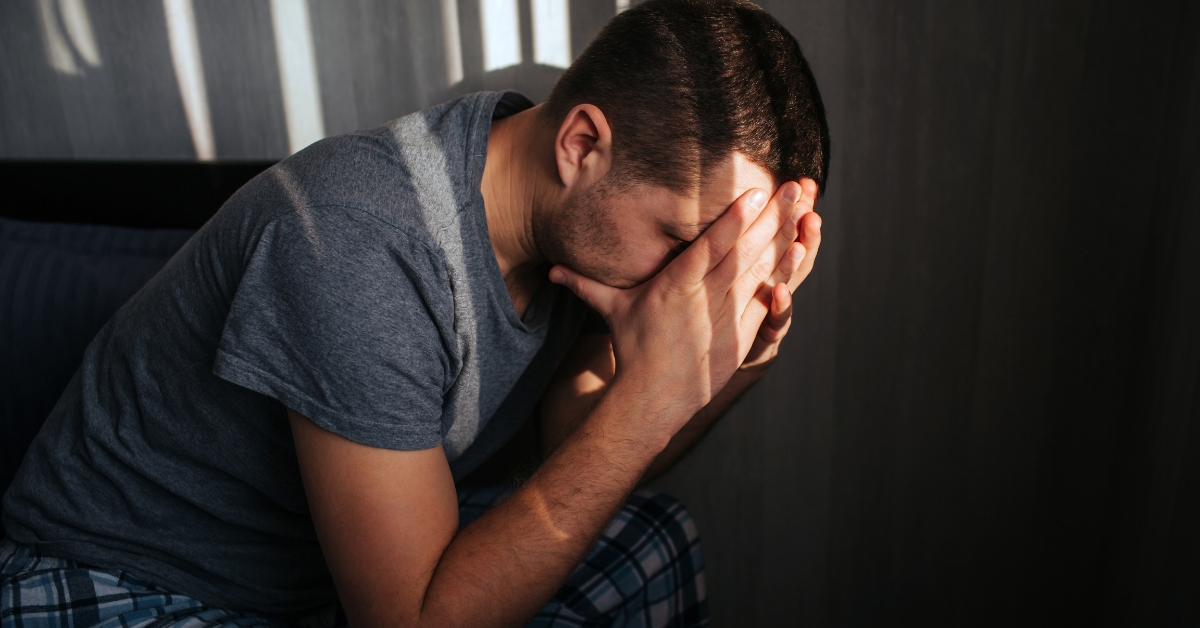
Mood swings are often associated with stress, lack of sleep, or the pressures of everyday life. However, hormones can also influence emotional well-being. For some men, low testosterone may contribute to changes in mood, increased irritability, frustration, or feeling emotionally different than they once did.
While mood changes can have many possible causes, testosterone plays a role in several processes that affect energy levels, motivation, stress response, and overall mental well-being. When testosterone levels decline, some men notice emotional symptoms alongside more commonly recognized signs of low testosterone, such as fatigue, reduced libido, or brain fog.
How Does Testosterone Affect Mood?
Testosterone is often associated with physical health, but it also plays an important role in emotional and cognitive function. Hormones help regulate communication between the brain and body, influencing mood, motivation, energy levels, sleep quality, and how individuals respond to stress.
When testosterone levels are within a healthy range, these systems often work together efficiently. As levels decline, some men may begin to notice changes in how they feel emotionally, even if those changes are subtle at first. Hormonal shifts can affect overall well-being in ways that extend beyond physical symptoms, which is why emotional changes are sometimes reported alongside other signs of low testosterone.
It is important to remember that hormones are rarely the only factor influencing mood. Life stressors, sleep quality, relationships, work demands, and overall health can all affect emotional well-being as well.
What Do Low Testosterone Mood Swings Feel Like?
Mood changes related to low testosterone can look different from person to person. Some men describe feeling more irritable than usual, while others notice they have less patience, become frustrated more easily, or feel less resilient when dealing with everyday stress.
Common symptoms may include:
- Increased irritability
- Feeling frustrated more easily
- Emotional ups and downs
- Reduced patience
- Lower motivation
- Changes in overall mood
- Feeling less resilient to stress
In many cases, these symptoms develop gradually. Because the changes are often subtle at first, they may be attributed to aging, a busy schedule, or poor sleep rather than a potential hormone imbalance.
When mood changes occur alongside physical symptoms such as fatigue, reduced libido, difficulty concentrating, or declining energy levels, it may be worth taking a closer look at hormone health.
Other Symptoms That May Occur Alongside Mood Changes
Low testosterone mood swings often occur alongside other symptoms rather than in isolation. Because testosterone affects multiple systems throughout the body, men experiencing emotional changes may also notice physical or cognitive symptoms developing around the same time.
Some of the most common symptoms that may accompany mood changes include:
- Fatigue or low energy
- Brain fog
- Difficulty concentrating
- Reduced libido
- Sleep disturbances
- Reduced motivation
- Poor recovery after exercise
- Changes in overall well-being
Looking at symptoms together often provides a clearer picture than focusing on a single concern. This is why providers typically evaluate both symptoms and lab work when assessing hormone health.

Why Hormones Are Only One Part of the Picture
Although low testosterone may contribute to mood changes in some men, hormones are only one piece of a much larger picture. Emotional well-being is influenced by many factors, including sleep quality, stress levels, nutrition, physical activity, and underlying medical conditions.
For example, chronic stress and poor sleep can affect mood, energy levels, and concentration in ways that closely resemble low testosterone symptoms. Similarly, anxiety, depression, and other health concerns can contribute to emotional changes that may overlap with hormone-related symptoms.
Because of this, it is important not to assume that low testosterone is automatically responsible for mood swings. A thorough evaluation can help identify whether hormones, lifestyle factors, or other health conditions may be contributing to the symptoms.
Can TRT Help Support Symptoms Associated With Low Testosterone?
For men with clinically low testosterone levels, testosterone replacement therapy (TRT) may be considered as one part of a personalized treatment plan. In some cases, addressing hormone deficiencies may help support symptoms related to energy, motivation, mood, and overall well-being.
However, TRT should not be viewed as a guaranteed solution for mood changes. Individual response varies, and emotional health is influenced by many factors beyond hormone levels alone. Safe and effective treatment begins with a comprehensive evaluation, appropriate lab work, and ongoing provider monitoring.
At Evolve, our providers take a personalized approach to care, evaluating symptoms and lab results together rather than relying on hormone levels alone. This helps ensure treatment decisions are based on the full picture of a person’s health and goals.
When To Speak With a Provider
If you have been experiencing persistent mood swings, irritability, low motivation, fatigue, or other symptoms that are affecting your quality of life, it may be worth exploring whether hormone health could be playing a role.
At Evolve, our providers take a personalized approach to hormone optimization, evaluating symptoms, lab work, medical history, and lifestyle factors together. By looking at the full picture, we can help determine whether hormone imbalance or other factors may be contributing to the way you feel.
Hormonal health is highly individualized, and treatment plans should reflect each person’s unique symptoms, goals, and overall health needs. Book a complimentary consultation to discuss your symptoms, review your labs, and explore care options that may be appropriate for you.
Frequently Asked Questions
Can low testosterone cause mood swings?
Yes. Low testosterone may contribute to mood changes, irritability, frustration, and emotional ups and downs in some men.
Why does low testosterone affect mood?
Testosterone plays a role in several systems that influence mood, motivation, energy levels, stress response, and overall mental well-being. Changes in hormone levels may affect how some individuals feel emotionally.
Can low testosterone make you irritable?
Some men with low testosterone report feeling more irritable or frustrated than usual. However, stress, poor sleep, and other health conditions can also contribute to irritability.
Are mood swings a common symptom of low testosterone?
Mood changes can occur alongside other symptoms of low testosterone, including fatigue, brain fog, reduced libido, difficulty concentrating, and sleep disturbances.
Can TRT help with mood changes?
For men with clinically low testosterone levels, provider-guided TRT may help support symptoms related to mood and overall well-being. Individual response varies.
How do providers determine if low testosterone is causing symptoms?
Providers typically evaluate symptoms, lab work, medical history, and other health factors together to determine whether hormone imbalance may be contributing to mood changes and other concerns.