Skip to content

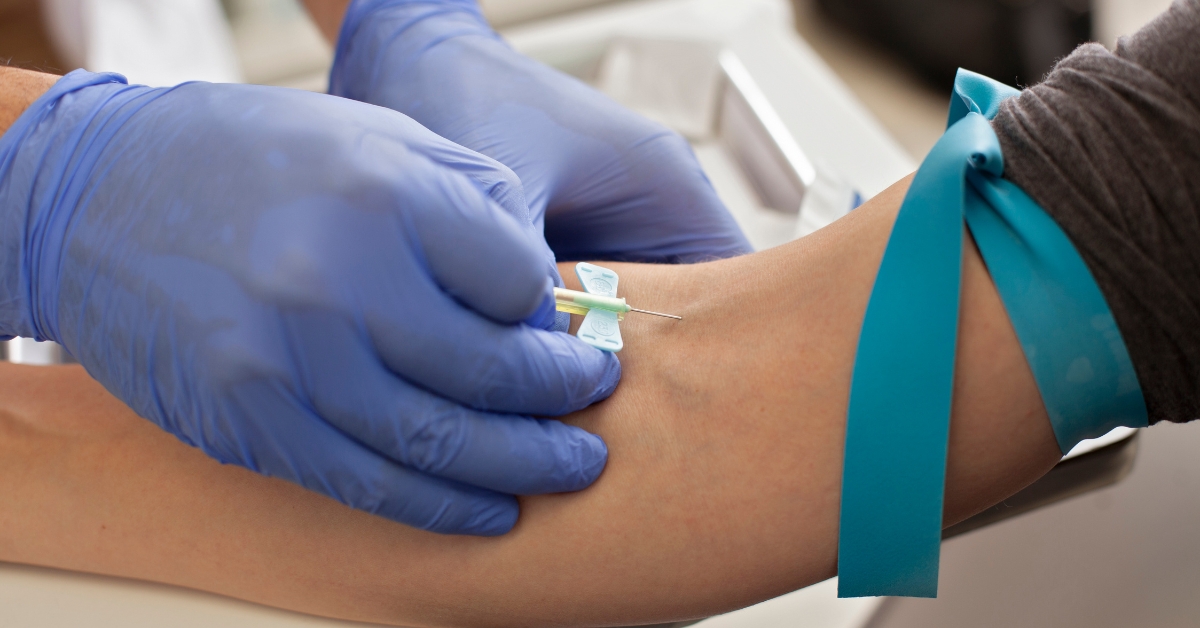
Starting testosterone replacement therapy (TRT) begins with a comprehensive evaluation of your hormone levels and overall health. Blood tests, in particular, are key in helping providers understand your current hormone balance and determine whether TRT may be appropriate.
Several blood tests are typically required before starting TRT, including total testosterone, free testosterone, SHBG, estradiol, and safety markers such as red blood cell levels, cholesterol, and prostate-specific antigen (PSA).These tests provide important baseline information that helps guide safe and personalized treatment.
Understanding the purpose of blood tests before TRT can help you better prepare for the evaluation process and understand how providers determine the most appropriate treatment approach.
Total vs. Free Testosterone
One of the essential components of TRT lab work is measuring a patient’s testosterone levels.
Many initial evaluations measure total testosterone, which represents the total amount of testosterone circulating in the bloodstream. It’s important to note, however, that not all of this hormone is available for the body to use.
Much of the hormone is bound to proteins such as sex hormone binding globulin (SHBG). When testosterone is attached to these proteins, it can’t easily interact with cells. This is why providers also measure free testosterone, which represents the portion of testosterone that is biologically active and available for use in the body.
Both measurements are important when evaluating hormone health. To recap:
- Total Testosterone = the overall amount of testosterone in circulation
- Free Testosterone = the portion of testosterone available for the body to use
Evaluating both values provides a clearer picture of hormone balance and helps determine whether symptoms may be related to low testosterone.
SHBG and Estradiol: Understanding Hormone Balance
Two additional hormones that are often subject to pre-TRT blood tests are SHBG and estradiol.
Sex hormone binding globulin (SHBG) is a protein that controls how much testosterone is bound in the bloodstream. Higher SHBG levels can reduce the amount of testosterone that remains available for the body to use.
Estradiol, a form of estrogen, is another hormone that plays a role in male hormone balance. In men, a small portion of testosterone is naturally converted into estradiol through a process called aromatization.
While estradiol is often thought of as a female hormone, it also plays a necessary role in male health. Balanced estradiol levels help support normal physiological processes, including joint health and overall hormonal stability.
When evaluating TRT candidates, providers typically measure both SHBG and estradiol to better understand how testosterone is being regulated within the body.
Safety Tests Before Starting TRT
In addition to hormone levels, providers also evaluate several safety markers before starting TRT. These tests help ensure therapy is appropriate and provide a baseline for future monitoring.
Some of the most common tests included in TRT blood work include:
Hematocrit and Red Blood Cell Levels
Testosterone can influence red blood cell production. Monitoring hematocrit levels helps ensure blood thickness remains within a healthy range.
Lipid Panel
A lipid panel measures cholesterol levels, including HDL and LDL. This helps providers evaluate cardiovascular risk factors before starting treatment.
Prostate-Specific Antigen (PSA)
PSA is a marker used to evaluate prostate health. Measuring PSA before beginning therapy helps establish a baseline for future monitoring.
These safety markers help providers determine whether TRT is appropriate and help ensure treatment is monitored carefully over time.

Additional Health Markers Providers May Review
Some providers may also review additional markers during the TRT evaluation process.
Two commonly reviewed areas include:
Pituitary Hormones
Hormones such as LH (luteinizing hormone) and FSH (follicle-stimulating hormone) help regulate natural testosterone production. Measuring these hormones helps providers understand how the body is currently producing testosterone.
Liver Function
Blood tests such as AST and ALT help evaluate liver function. Monitoring liver enzymes provides additional information about overall metabolic health before starting therapy.
Together, these tests provide a more complete picture of a patient’s health and help guide personalized treatment decisions.
Why Baseline Blood Work Matters
Comprehensive blood testing allows providers to create a more personalized TRT plan.
Baseline labs help determine:
- Whether testosterone levels are clinically low
- How hormones are being regulated in the body
- Whether additional health factors should be considered before treatment
Once therapy begins, these baseline measurements also provide a reference point for future lab monitoring.
Regular follow-up testing helps ensure hormone levels remain within appropriate ranges and helps providers adjust treatment when necessary.
When to Speak With a Provider About TRT Testing
Symptoms such as fatigue, reduced libido, or low energy can sometimes be associated with low testosterone levels. However, symptoms alone are not enough to determine whether TRT is appropriate. Blood testing provides the objective data needed to evaluate hormone health and determine whether treatment may be beneficial.
If you’re experiencing symptoms that may be related to low testosterone, the team at Evolve Telemedicine can help guide you through the testing process.
You can schedule a confidential, complimentary consultation to review your symptoms, discuss lab testing options, and determine whether TRT may be appropriate for you.
Frequently Asked Questions About TRT Blood Tests
What blood tests are required before starting TRT?
Common tests include total testosterone, free testosterone, SHBG, estradiol, hematocrit, cholesterol levels, PSA, and other markers used to evaluate overall health.
Why is free testosterone important?
Free testosterone represents the portion of testosterone that is biologically active and available for the body to use. Measuring this value helps provide a more accurate picture of hormone balance versus measuring total testosterone alone.
How often are blood tests done during TRT?
Providers often repeat lab testing periodically after treatment begins to monitor hormone levels and ensure therapy remains safe and effective.
Can you start TRT without blood tests?
Blood testing is an essential step before starting TRT. Lab work helps confirm hormone levels and ensures treatment decisions are based on accurate medical information.