Skip to content

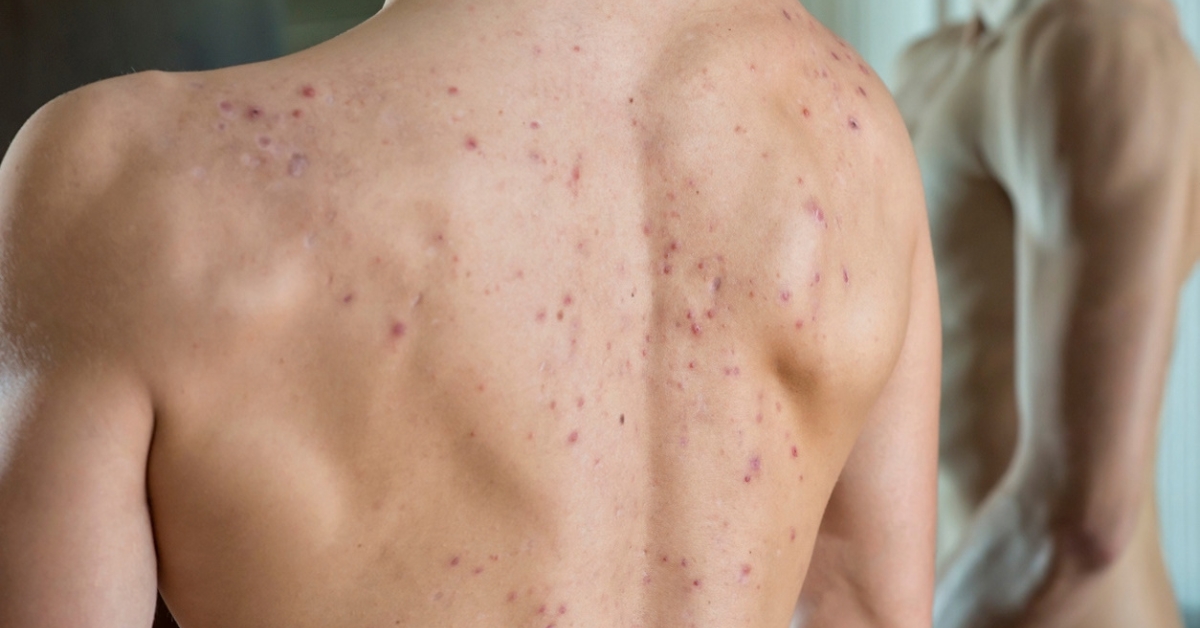
Testosterone replacement therapy (TRT) can help restore testosterone levels in men with clinically diagnosed testosterone deficiency, but treatment can also come with side effects. One of the more noticeable changes for some men is the development of acne, sometimes even if breakouts haven’t been an issue since adolescence. Acne is a recognized dermatologic side effect of testosterone therapy, although not everyone receiving TRT will experience it.
So, why does TRT cause acne? Testosterone and other androgens can stimulate the sebaceous glands in your skin, increasing the production of sebum, or skin oil. When excess oil combines with dead skin cells and inflammation within a hair follicle, it can create an environment where acne is more likely to develop.
Understanding why these breakouts happen can make it easier to discuss them with your healthcare provider and determine whether your TRT plan or skincare routine needs attention.
Why Can Testosterone Cause Acne?
Testosterone belongs to a group of hormones known as androgens. Androgens have effects throughout the body, including within the skin, where sebaceous glands contain androgen receptors and respond to androgen activity. Research has established androgen-stimulated sebum production as an important part of acne development.
When testosterone levels increase during TRT, sebaceous glands may produce more oil. Increased sebum doesn’t automatically mean you’ll develop acne, but it can contribute to the conditions that make breakouts more likely.
Acne development involves several interconnected factors, including:
- Increased sebum production
- Buildup of dead skin cells within follicles
- Clogged pores
- Bacterial activity within the follicle
- Inflammation
- Individual sensitivity to androgens
That last point is particularly important. People’s sebaceous glands can respond differently to androgen exposure, which helps explain why one person may experience oily skin or breakouts while another person receiving testosterone therapy may not.
Where Does TRT Acne Usually Appear?
Acne associated with increased androgen activity can develop in areas with a high concentration of sebaceous glands. This means breakouts aren’t necessarily limited to the face.
Some people may notice acne on the:
- Face
- Chest
- Shoulders
- Upper arms
- Upper back
Changes in oil production can also make the skin feel noticeably oilier before significant breakouts develop. The appearance and severity of acne can vary considerably from person to person.
Does DHT Play a Role in TRT Acne?
Dihydrotestosterone, better known as DHT, is a potent androgen formed from testosterone through the action of the enzyme 5-alpha-reductase. DHT can bind to androgen receptors in the skin and is one of several androgen-related factors involved in sebaceous gland activity and acne development.
However, TRT-related acne shouldn’t automatically be interpreted as proof that someone’s DHT is “too high.” Acne is influenced by multiple factors, including local androgen activity within the skin and how sensitive an individual’s sebaceous glands are to androgens. Someone can experience acne even when circulating androgen levels aren’t unusually high.
This is one reason symptoms should be considered alongside laboratory findings and the overall treatment plan rather than using acne alone to determine whether hormone levels need to be changed.
Why Do Some Men Get Acne on TRT While Others Don’t?
There isn’t one testosterone level at which everyone suddenly develops acne. Individual skin characteristics and sensitivity to androgens can influence how your skin responds to treatment.
A person who was prone to acne during adolescence or adulthood may respond differently than someone who has rarely experienced breakouts. Genetics, skin type, skincare products, sweating, medications, and other factors may also contribute to acne development.
Research examining dermatologic effects of TRT has found considerable variation in reported acne rates across studies and treatment formulations. A 2026 scoping review identified acne as the most frequently reported dermatologic adverse effect of TRT, but the authors also noted differences across formulations and limitations in how skin-related side effects have been reported.
In other words, developing acne on TRT doesn’t necessarily mean something is wrong with your treatment. It does mean it’s worth discussing significant or persistent changes with your provider.
Does Your TRT Dose Affect Acne?
Testosterone therapy should be individualized to the patient rather than based on a universal dose or target. Appropriate TRT also involves follow-up after treatment begins to assess response, potential adverse effects, and whether adjustments may be appropriate. The Endocrine Society specifically recommends evaluating patients after TRT initiation for treatment response and adverse effects.
If acne begins or becomes significantly worse after starting TRT or following a change in treatment, tell your provider when the change occurred. Your provider can review your symptoms, testosterone levels, treatment regimen, and other relevant factors to determine whether anything needs to be adjusted.
Don’t reduce, increase, or stop prescribed testosterone on your own because of acne. A treatment change that seems straightforward may affect more than your skin.
Can Testosterone Injections Cause More Acne?
Acne has been reported with multiple forms of testosterone therapy, so it isn’t exclusive to injections. However, a recent review found that injectable formulations generally had higher reported rates of acne than topical or oral formulations across the studies it evaluated. The available research has limitations, though, and this doesn’t mean injections will cause acne in every patient.
The appropriate TRT formulation depends on factors beyond acne, including the patient’s diagnosis, treatment goals, medical history, response to therapy, laboratory findings, potential side effects, convenience, and provider recommendations.
If breakouts appear after beginning injections or changing your TRT regimen, your provider can evaluate the timing and determine whether your treatment plan may be contributing.

How Is Acne From TRT Managed?
Developing acne doesn’t necessarily mean TRT needs to be discontinued. The appropriate approach depends on how severe the acne is, where it appears, your skin type, your TRT regimen, and whether other factors may be contributing.
A healthcare provider may start by reviewing:
- When the acne began
- Whether it appeared after starting or changing TRT
- Your current testosterone regimen
- Relevant laboratory results
- Other medications or supplements
- Your skincare routine
- The location and severity of the breakouts
Mild acne may sometimes be managed with changes to skincare or common acne treatments. More persistent, inflammatory, painful, or scarring acne may warrant evaluation by a dermatologist.
The important distinction is that managing TRT-related acne isn’t simply about lowering testosterone. The goal is to address the skin concern while also determining whether your hormone therapy remains appropriate and properly monitored.
Can You Prevent Acne While on TRT?
There isn’t a guaranteed way to prevent acne from developing during testosterone therapy, particularly if your skin is sensitive to androgens. However, taking care of your skin may help reduce some factors that contribute to clogged pores and irritation.
A few practical habits include:
- Wash acne-prone areas gently, particularly after heavy sweating
- Avoid aggressively scrubbing or picking at breakouts
- Choose non-comedogenic skincare and sunscreen products
- Change sweaty clothing after exercise
- Keep frequently used towels and bedding clean
- Talk with a healthcare professional before adding stronger acne treatments
Overwashing or aggressively drying out oily skin isn’t necessarily better. Irritating the skin can make an already inflamed breakout more difficult to manage.
Should You Stop TRT if You’re Getting Acne?
Acne alone doesn’t automatically mean you should stop testosterone therapy. If TRT was prescribed for clinically diagnosed testosterone deficiency, decisions about continuing or modifying treatment should be made with the healthcare provider managing your care.
Current clinical guidance emphasizes appropriate diagnosis before TRT and continued monitoring after treatment begins. That monitoring gives you and your provider an opportunity to discuss side effects and determine whether your treatment remains appropriate.
If acne is becoming painful, widespread, persistent, or beginning to scar, don’t simply wait for it to become more severe. Bring it up with your provider so the skin concern and your TRT regimen can be evaluated together.
When to Speak With a Provider
Some changes in your skin may be manageable, but new or worsening acne after starting TRT is still worth mentioning to your healthcare provider. This is especially important if the acne becomes painful, develops into deeper nodules or cysts, leaves scars, or begins affecting large areas of your chest or back.
Your provider can consider the timing of your symptoms, TRT regimen, laboratory findings, medical history, and other factors before determining what may be contributing. If necessary, your TRT plan can be evaluated alongside appropriate acne treatment rather than treating the two issues as completely separate concerns.
At Evolve Telemedicine, testosterone replacement therapy is individualized and monitored based on each patient’s symptoms, health history, laboratory findings, and response to treatment.
Book a complimentary consultation to learn more about personalized, provider-guided testosterone replacement therapy.
Frequently Asked Questions
Why does TRT cause acne?
TRT can increase androgen activity in the skin, which can stimulate sebaceous glands and increase sebum production. Excess sebum is one of several factors involved in acne development, along with clogged follicles, bacterial activity, and inflammation.
Is acne a common side effect of TRT?
Acne is a recognized side effect of testosterone therapy. A 2026 review found it was the most frequently reported dermatologic adverse effect across the TRT studies it evaluated, although reported rates varied substantially between studies and formulations.
Does TRT acne mean my testosterone is too high?
Not necessarily. Skin sensitivity to androgens varies between individuals, and acne alone cannot determine whether testosterone levels are too high. Your provider can interpret symptoms alongside laboratory testing and your overall response to treatment.
Does DHT cause acne on TRT?
DHT is involved in androgen activity within the skin and can influence sebaceous gland function. However, acne is multifactorial, so developing acne doesn’t necessarily mean your circulating DHT level is abnormally high.
Can testosterone cause back acne?
Yes. Acne associated with androgen activity can affect the back, shoulders, chest, and face. Areas containing more sebaceous glands can be particularly prone to breakouts.
Will TRT acne go away?
The course of acne varies from person to person. Some people may experience manageable breakouts, while others develop persistent acne that requires treatment. If acne continues or worsens, a healthcare provider can evaluate both your skincare needs and TRT regimen.
Should I lower my TRT dose because of acne?
Don’t change a prescribed testosterone dose on your own. Acne doesn’t necessarily mean your dose is too high, and changing treatment without appropriate evaluation can affect your overall care. Discuss new or worsening acne with the provider managing your TRT.
Can I treat acne without stopping TRT?
In many cases, acne can be evaluated and treated without automatically discontinuing testosterone therapy. The appropriate approach depends on the severity of the acne, your response to TRT, laboratory findings, and other individual factors. Your TRT provider and, when appropriate, a dermatologist can help determine the best approach.