Skip to content

Testosterone therapy can be a transformative option for individuals managing hormonal imbalances or symptoms related to low testosterone. But whether it’s used to treat hypogonadism, age-related hormone decline, or other medical conditions, testosterone must be stored and handled correctly to remain safe and effective.
Understanding how long testosterone lasts, how its potency changes over time, and how to store it properly is essential for maintaining treatment success. This guide covers testosterone shelf life, expiration, storage rules, and the risks associated with using expired or degraded hormone products.
What Testosterone Does in the Body
Testosterone is a vital hormone involved in reproductive development, bone strength, libido, mood regulation, energy levels, and overall cognitive function. While men naturally produce most of their testosterone in the testes, women also produce smaller but significant amounts in the ovaries and adrenal glands. Because this hormone influences so many key aspects of physical and emotional health, maintaining balanced testosterone levels is essential for overall well-being.
Hormone replacement therapy (HRT) is often prescribed when testosterone levels drop due to aging, endocrine disorders, chronic illness, medical treatments, or testicular dysfunction. Restoring hormone levels through therapy can help alleviate symptoms such as fatigue, brain fog, erectile dysfunction, hair thinning, low libido, mood swings, muscle loss, and weight gain. For many individuals, properly managed testosterone therapy can significantly improve daily functioning and long-term quality of life.
How to Properly Store Testosterone
Storing testosterone correctly is essential for maintaining its potency and ensuring safe, effective treatment. The medication should always be kept at a controlled room temperature—typically 68°F to 77°F (20°C–25°C). Exposure to direct sunlight, excessive heat, or freezing temperatures can degrade the hormone and weaken its therapeutic effect, so maintaining stable conditions is key.
A cool, dry, and dark location works best for long-term storage. A drawer, cabinet, or dedicated medication box is ideal, while bathrooms and kitchens should be avoided due to humidity and frequent temperature changes. Moisture can compromise the medication’s stability and reduce its effectiveness over time.
Testosterone should also remain in its original packaging, which is designed to protect it from air, light, and environmental contaminants. Keep the vial tightly sealed when not in use, and avoid transferring the medication to unapproved containers.
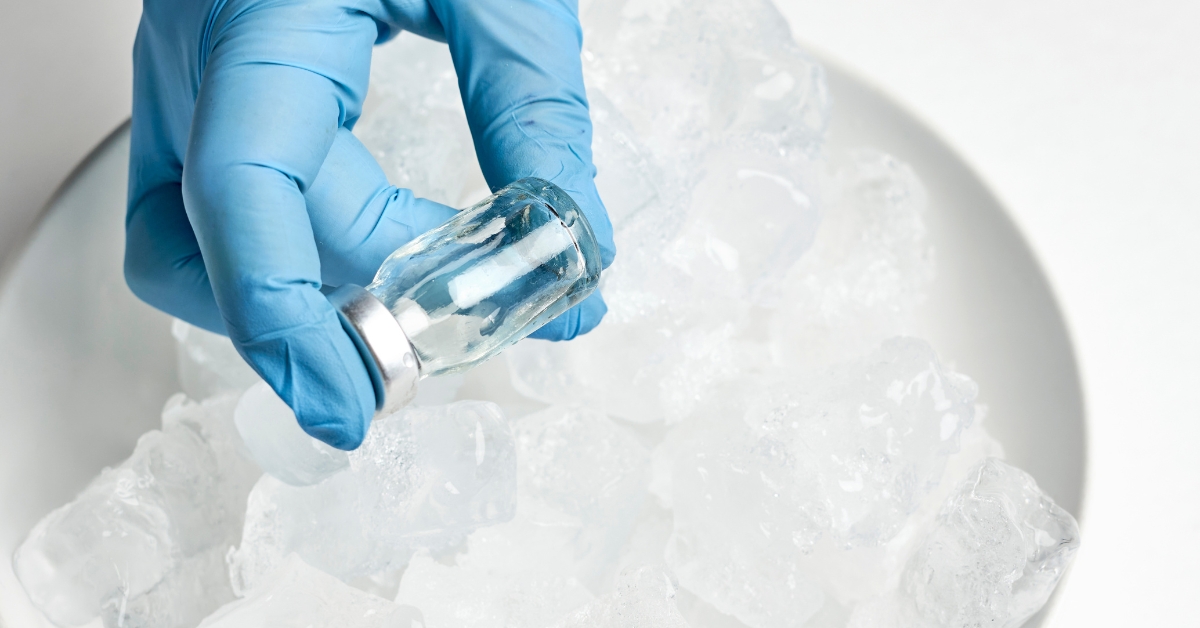
Most testosterone formulations — including testosterone cypionate — do not require refrigeration. In fact, storing these products in cold environments may cause crystallization inside the vial. If crystallization occurs, the medication may become difficult to use or may not deliver an accurate dose. Always follow the specific storage instructions provided by your healthcare provider or the product manufacturer.
Does Testosterone Expire?
Yes, testosterone does expire. As it ages, the hormone gradually breaks down, which can affect both its strength and reliability. Using expired testosterone may lead to:
- Reduced potency, meaning the medication may not deliver the intended therapeutic effect
- Inconsistent dosing, which can cause fluctuating hormone levels
- Less symptom relief, especially for those relying on TRT to manage low-T symptoms
- A higher risk of contamination, particularly once a vial has been opened
Because expired testosterone cannot guarantee safety or effectiveness, it should always be discarded rather than used.

Shelf Life of Testosterone
Unopened testosterone vials typically remain stable for one to two years, depending on the formulation and manufacturer. The expiration date printed on the vial or packaging indicates how long the medication is expected to maintain full potency and safety when stored correctly. Keeping unopened vials in appropriate conditions—away from heat, moisture, and direct light—helps preserve their effectiveness for the duration of their listed shelf life.
Once a vial is opened, however, its stability decreases. Exposure to air, light, and potential contaminants gradually reduces the medication’s integrity. Most guidelines recommend using opened testosterone vials within 28 days, although exact recommendations may vary by manufacturer. If you are ever unsure whether an opened vial is still safe to use, check the product instructions or consult your healthcare provider for clarification.
Practical Tips for Managing Testosterone Storage
When traveling with testosterone, it’s important to keep the medication protected from extreme temperatures. Avoid leaving it in a hot car, and consider using an insulated travel pouch if you’ll be in environments where heat or cold could compromise the medication. Maintaining a stable temperature while on the move helps preserve the hormone’s potency and ensures consistent dosing.
It’s also helpful to regularly monitor expiration dates to make sure you always have a viable supply available. Setting reminders on your phone or using a medication-tracking app can make this process easier and reduce the risk of accidentally using expired testosterone.
If you notice any unusual changes in your medication—such as cloudiness, floating particles, crystals that do not dissolve, or shifts in color or consistency—contact your healthcare provider before using it. These signs may indicate that the testosterone has been compromised and should not be administered.
Final Thoughts
Understanding the shelf life, expiration, and proper storage of testosterone is essential for safe and effective hormone therapy. Proper handling protects potency, prevents complications, and ensures your hormone levels stay consistent throughout treatment.
If you’d like expert help with hormone therapy, medication storage, or treatment planning, book a confidential, complimentary consultation with Evolve. Our team is here to answer your questions and support your health journey every step of the way.
Disclaimer: This article is for educational purposes only and is not a substitute for professional medical advice, diagnosis, or treatment. Always consult with a licensed healthcare provider before starting, stopping, or adjusting any hormone therapy.