
Testosterone replacement therapy (TRT) can provide meaningful benefits for individuals with clinically low testosterone levels. Like any medical treatment, it also requires proper monitoring.
One change providers watch for during TRT is an increase in red blood cell levels. Testosterone can stimulate red blood cell production, which may raise hematocrit levels and, in some cases, make blood thicker.
This is a known and manageable effect of treatment. With proper monitoring, providers can ensure levels remain within a safe range.
Why TRT Can Increase Red Blood Cell Levels
Testosterone plays a role in several systems throughout the body, including red blood cell production.
It can stimulate the bone marrow to produce more red blood cells, which help carry oxygen through the bloodstream. While this can be beneficial, an excessive increase may raise hematocrit levels.
Hematocrit measures the percentage of blood made up of red blood cells. When levels rise above a healthy range, blood may become more concentrated. This is sometimes referred to as secondary erythrocytosis.
Not everyone on TRT will experience this change. Individual response can vary based on factors such as:
- Dosage
- Method of administration
- Individual physiology
Because of this variability, routine lab monitoring is an essential part of treatment.
Symptoms of Thick Blood During TRT
Some individuals may notice symptoms if hematocrit levels increase significantly.
Possible signs may include:
- Persistent headaches
- Facial flushing or redness
- Fatigue or reduced energy
- Dizziness
- Blurred vision
Facial redness, sometimes referred to as facial plethora, can occur when increased red blood cell levels affect small blood vessels near the skin.
These symptoms are not specific to elevated hematocrit and can have multiple causes. Lab testing is required to determine whether red blood cell levels are contributing.
How Thick Blood Can Affect Circulation
When hematocrit levels rise, blood may move more slowly through the body’s blood vessels.
This can place additional strain on circulation and may lead to symptoms such as:
- Reduced stamina during normal activities
- Difficulty concentrating
- Shortness of breath with mild exertion
- Sleep disturbances
These symptoms do not always indicate thickened blood, but they may prompt further evaluation. Monitoring helps ensure any changes are identified early and addressed appropriately.
Monitoring and Managing Hematocrit During TRT
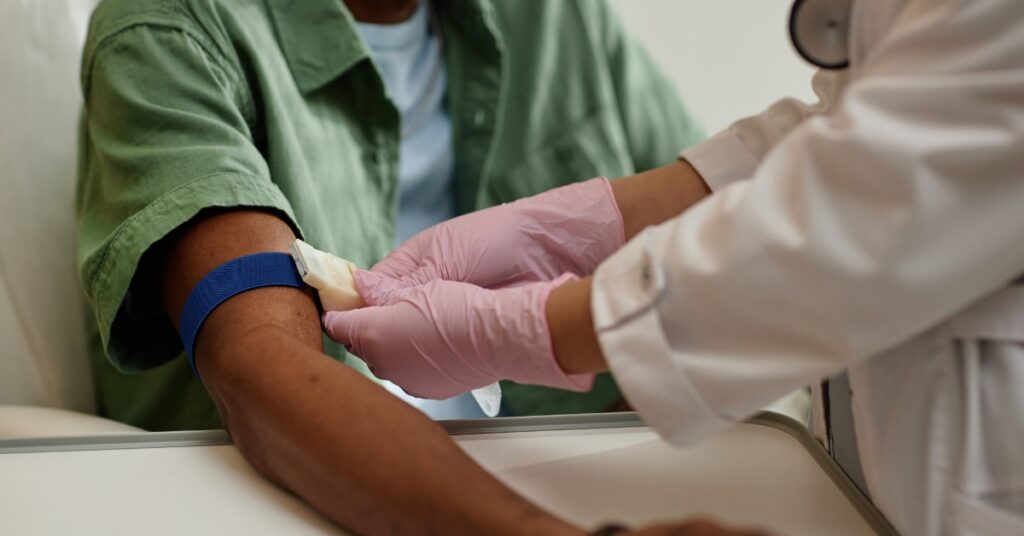
Routine lab work is a standard part of TRT care.
Providers typically monitor markers related to red blood cell levels and overall blood health, including:
- Hematocrit, which measures the percentage of red blood cells in the blood
- Hemoglobin, which reflects oxygen-carrying capacity
- Ferritin, which indicates stored iron levels
If hematocrit levels rise, providers may recommend adjustments to maintain safe levels. This can include:
- Modifying dosage or treatment protocol
- Adjusting frequency or delivery method
- Therapeutic blood donation in certain cases
- Supporting hydration and overall circulation
These decisions are always based on individual lab results and symptoms.
When To Speak With a Provider
If you are undergoing TRT and notice symptoms such as persistent headaches, facial flushing, dizziness, or unexplained fatigue, it may be time to take a closer look.
At Evolve, our providers take a personalized approach to hormone optimization, focusing on both lab values and patient symptoms. Monitoring markers like hematocrit, rather than relying on symptoms alone, helps ensure treatment remains safe and effective.
Getting a full picture of your lab work can help identify whether red blood cell levels are within a healthy range and guide any necessary adjustments to your treatment plan.
Book a complimentary consultation to review your labs, discuss your symptoms, and explore a plan tailored to you.
Frequently Asked Questions
Does TRT make your blood thicker?
Testosterone can increase red blood cell production. In some individuals, this may raise hematocrit levels and make blood more concentrated if levels become too high.
What is hematocrit and why is it important during TRT?
Hematocrit measures the percentage of blood made up of red blood cells. It is an important marker providers monitor to ensure levels remain within a safe range during treatment.
What are symptoms of thick blood during TRT?
Symptoms may include headaches, facial flushing, dizziness, fatigue, or blurred vision. Lab testing is needed to confirm whether hematocrit levels are elevated.
How often should hematocrit be monitored during TRT?
Providers typically monitor blood markers periodically throughout treatment to ensure therapy remains safe and balanced.