Skip to content

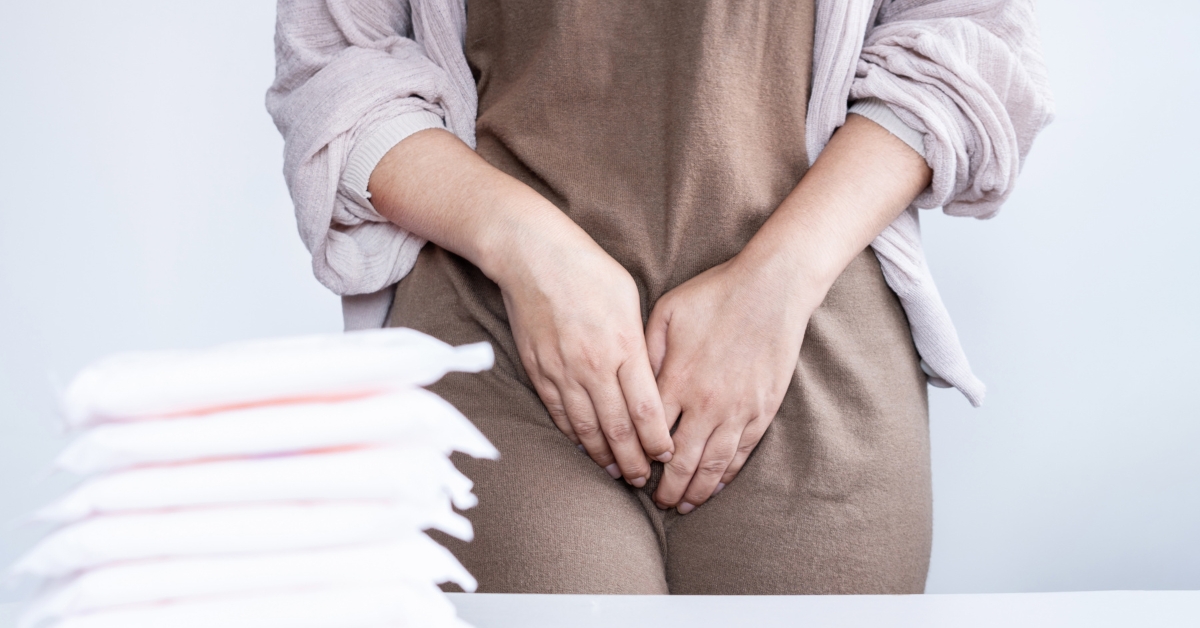
Vaginal dryness is one of the more common symptoms women may experience during perimenopause and menopause. Hormonal changes, particularly declining estrogen levels, can affect vaginal tissue, moisture levels, and overall comfort.
For some women, vaginal dryness may cause irritation, discomfort during intimacy, itching, or changes in urinary comfort. Symptoms can range from mild to more persistent and may affect overall quality of life and well-being.
Why Does Menopause Cause Vaginal Dryness?
Estrogen plays an important role in maintaining vaginal tissue health and natural lubrication.
As estrogen levels decline during menopause, the vaginal tissue may become:
- Thinner
- Less elastic
- More sensitive
- Less naturally lubricated
These changes are a normal part of hormonal aging for many women, though symptom severity can vary significantly from person to person.
In some cases, reduced estrogen levels may also affect the vaginal microbiome and overall tissue comfort, contributing to irritation or dryness over time.
What Does Vaginal Dryness During Menopause Feel Like?
Symptoms of vaginal dryness can vary depending on the individual.
Some women may experience:
- Dryness or irritation
- Burning sensations
- Discomfort during intimacy
- Itching
- Increased sensitivity
- General vaginal discomfort
- Urinary discomfort or urgency
For some individuals, symptoms may occur occasionally, while others may notice more persistent changes that affect daily comfort or intimacy.
Because symptoms can develop gradually, many women assume the changes are simply part of aging and may not realize hormonal changes could be contributing.
Other Symptoms That May Occur Alongside Vaginal Dryness
Vaginal dryness during menopause may occur alongside other hormonal symptoms, including:
- Hot flashes
- Sleep disturbances
- Mood changes
- Reduced libido
- Fatigue
- Brain fog
- Night sweats
- Changes in skin or hair
Hormonal symptoms often overlap and can affect multiple areas of physical and emotional wellness at the same time.
At Evolve, our providers evaluate symptoms and lab work together to better understand the full picture and create personalized care plans.
Can Hormone Therapy Help Support Menopause Symptoms?
For some women, provider-guided hormone therapy may be considered as one part of a personalized menopause care plan.
In certain cases, addressing hormone changes may help support symptoms related to vaginal comfort, sleep, mood, and overall well-being. However, individual response varies, and treatment recommendations should always be based on symptoms, health history, and provider evaluation.
There are also non-hormonal approaches that may help support vaginal comfort and overall wellness during menopause.
At Evolve, treatment plans are personalized and focused on safe, monitored care based on each individual’s needs and goals.

Lifestyle and Wellness Factors That May Help Support Comfort
Several daily wellness habits may help support overall vaginal and menopause-related comfort, including:
- Staying hydrated
- Supporting healthy sleep habits
- Managing stress levels
- Avoiding irritating products when possible
- Maintaining regular wellness visits
- Supporting overall hormone health
Small lifestyle adjustments, along with provider-guided care, may help some women better navigate menopause-related changes over time.
When To Speak With a Provider
If you are experiencing vaginal dryness, discomfort, irritation, or other menopause symptoms that are affecting your quality of life, it may be time to take a closer look.
At Evolve, our providers take a personalized approach to menopause care, evaluating symptoms and lab work together to better understand the full picture.
Hormonal changes during menopause are highly individualized, and care plans should reflect each person’s unique symptoms, goals, and overall health.
Book a complimentary consultation to discuss your symptoms, review your labs, and explore care options that may be appropriate for your health history and needs.
Frequently Asked Questions
Can menopause cause vaginal dryness?
Yes. Declining estrogen levels during menopause may contribute to vaginal dryness, irritation, and changes in vaginal tissue comfort for some women.
Why does vaginal dryness happen during menopause?
Lower estrogen levels may affect vaginal tissue health, elasticity, and natural lubrication during perimenopause and menopause.
Is vaginal dryness during menopause common?
Yes. Vaginal dryness is a common menopause symptom, though symptom severity and frequency can vary from person to person.
Can hormone therapy help menopause symptoms?
For some women, provider-guided hormone therapy may help support symptoms related to menopause and overall well-being. Individual response varies.
Are there non-hormonal options for vaginal dryness?
Some women may benefit from non-hormonal approaches and lifestyle adjustments that support overall comfort and wellness. A provider can help determine appropriate options.
When should I speak with a provider about vaginal dryness?
If symptoms are persistent, uncomfortable, or affecting daily life or intimacy, it may be helpful to speak with a provider for evaluation and personalized care recommendations.