Skip to content

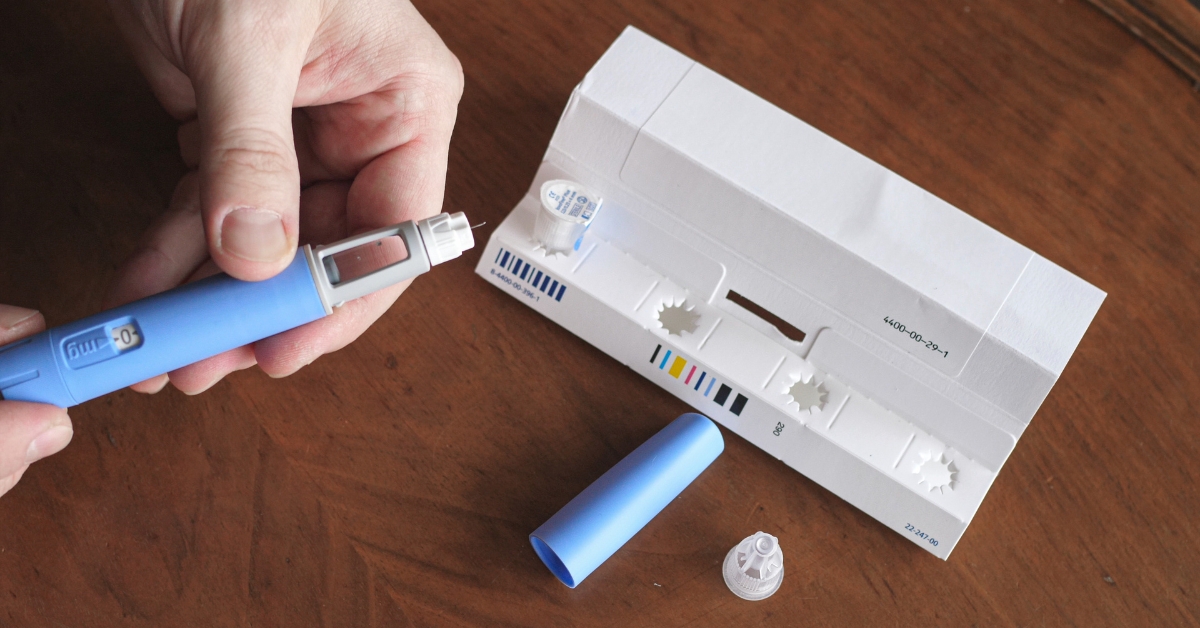
Many individuals starting semaglutide want to know when they may begin noticing changes in appetite. While response varies from person to person, some individuals report feeling fuller or noticing fewer cravings within the first several days of treatment. More consistent appetite changes and weight management effects typically develop gradually over the first several weeks as the body adjusts to the medication.
Understanding the timeline can help set realistic expectations and support a more sustainable approach to treatment.
How Semaglutide Works in the Body
Semaglutide works by mimicking GLP-1, a naturally occurring hormone involved in appetite regulation and blood sugar control. The medication may help increase feelings of fullness, slow gastric emptying, reduce appetite, and support healthier eating patterns over time.
Rather than acting like an instant “off switch” for hunger, semaglutide works gradually as the medication builds in the body. Because of this, many individuals notice subtle appetite changes before seeing more noticeable changes in weight.
When Appetite Changes Typically Begin
Some individuals may begin noticing appetite-related changes within the first 24 to 72 hours after their first injection. Early signs may include feeling full more quickly during meals, reduced interest in snacking, fewer cravings or “food noise,” and staying satisfied longer after eating.
These changes can vary depending on factors such as dosage, metabolism, eating habits, and individual response to treatment. During the first several weeks, appetite suppression may feel somewhat inconsistent while the body adjusts and medication levels gradually increase.
Why Semaglutide Dosing Increases Gradually
Semaglutide treatment is typically started at a lower introductory dose before gradually increasing over time. This approach helps the body adapt to the medication and may reduce the likelihood of side effects such as:
- Nausea
- Bloating
- Constipation
- Stomach discomfort
The first month of treatment is often focused more on helping the body adjust than on rapid weight changes. As doses increase over time, some individuals may notice more consistent appetite control and support with weight management, although timelines and experiences vary from person to person.
Understanding “Food Noise” and Cravings
One of the most commonly reported changes with semaglutide is a reduction in “food noise,” which refers to frequent thoughts about food, cravings, or eating throughout the day.
Some individuals notice they are less focused on food, experience fewer cravings for snacks or sweets, and feel satisfied with smaller portions. Others may find they are less likely to eat out of boredom or habit. These changes are related to how semaglutide affects appetite and reward pathways involved in hunger and eating behavior.
While some individuals notice these effects relatively early, others experience more gradual changes as treatment progresses.

What Can Affect Results?
Semaglutide may support appetite regulation and weight management, but individual response can vary. Several factors can influence how quickly changes occur, including:
- Consistency with treatment
- Nutrition and eating habits
- Sleep and stress levels
- Physical activity
- Dosage progression
The medication may help support healthier eating patterns, but long-term weight management is generally most effective when combined with nutrition, movement, and healthy lifestyle habits alongside provider-guided care.
Some individuals may also notice changes beyond the scale, such as appetite patterns, energy levels, or overall well-being, although experiences and results vary.
When To Speak With a Provider
If you are considering semaglutide for weight management or have questions about what to expect during treatment, it may be time to take a closer look.
At Evolve, our providers take a personalized approach to care, focusing on both lab values and patient symptoms. Because weight management is influenced by multiple factors, including hormones, metabolism, lifestyle, and overall health, treatment plans are tailored to each individual.
Looking at the full picture of your health can help determine whether semaglutide or another treatment option may be appropriate for your goals and needs.
Book a complimentary consultation to review your symptoms, discuss treatment options, and explore a plan tailored to you.
Frequently Asked Questions
How long does it take for semaglutide to suppress appetite?
Some individuals may notice appetite changes within the first several days after starting treatment, while more consistent effects often develop gradually over several weeks.
Does semaglutide reduce food cravings?
Semaglutide may help reduce appetite and food cravings in some individuals by affecting hunger and fullness pathways in the body.
Why am I still hungry on semaglutide?
During the early stages of treatment, lower introductory doses are used to help the body adjust. Some individuals may notice more consistent appetite changes after gradual dose increases.
How quickly does semaglutide work for weight loss?
Weight changes with semaglutide are typically gradual and can vary depending on dosage, lifestyle habits, and individual response to treatment.
Does semaglutide still require lifestyle changes?
Semaglutide may help support appetite control, but long-term weight management is generally most effective when combined with nutrition, movement, and healthy lifestyle habits.
Can semaglutide side effects improve over time?
Some side effects, such as nausea or stomach discomfort, may improve as the body adjusts to treatment, although experiences vary from person to person.