 Skip to content

1-12 of 217 results
-

Why Am I Still Tired After Getting Enough Sleep?
By Evolve Team • September 8, 2026Getting seven, eight, or even nine hours of sleep should leave you feeling rested. But sometimes, a full night of sleep doesn’t seem to make much difference. You may wake up exhausted, struggle to get going in the morning, or… -

Can Menopause Cause Bloating?
By Evolve Team • September 4, 2026Feeling unusually full, swollen, or uncomfortable around your stomach can be frustrating, especially when your eating habits haven’t changed. For some women, increased bloating becomes more noticeable during perimenopause and menopause. Hormonal fluctuations during this stage of life can affect… -

IM vs. SQ Injection: What’s the Difference?
By Evolve Team • August 21, 2026When a medication is prescribed by injection, how it’s administered can be an important part of the treatment plan. Two common methods are intramuscular (IM) and subcutaneous (SQ) injections. While both deliver medication beneath the skin, they target different types… -
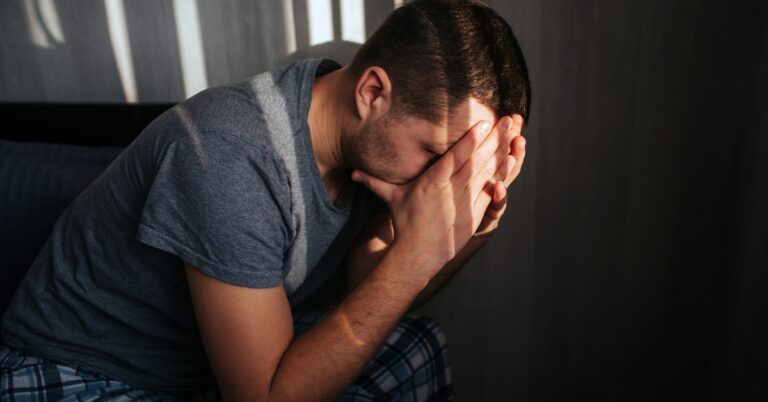
High E2 Symptoms in Men on TRT: Signs, Causes, and How They’re Managed
By Evolve Team • August 19, 2026Testosterone replacement therapy (TRT) can help improve energy, libido, body composition, mood, and overall quality of life for men with clinically low testosterone. However, one topic that frequently comes up during treatment is estradiol (E2), particularly when patients begin experiencing… -

Gray Market Peptides: Understanding the Risks of Buying Peptides Online
By Evolve Team • July 31, 2026Two people decide to begin peptide therapy. Both are hoping to improve their health. Both inject what appears to be the same peptide. One receives a prescription from a licensed healthcare provider experienced in peptide therapy. Their medication is sourced… -

Can Low Testosterone Cause Low Libido?
By Evolve Team • July 24, 2026Low libido is one of the most common reasons men seek evaluation for low testosterone. While it’s normal for sexual desire to fluctuate from time to time, a persistent decline in libido may be a sign that something more is… -

Does Testosterone Need to Be Refrigerated?
By Evolve Team • July 17, 2026Starting testosterone replacement therapy comes with plenty of questions, especially if it’s your first time using injectable medication. Along with learning how to administer your injections, many patients wonder how to store their medication properly. One of the most common… -
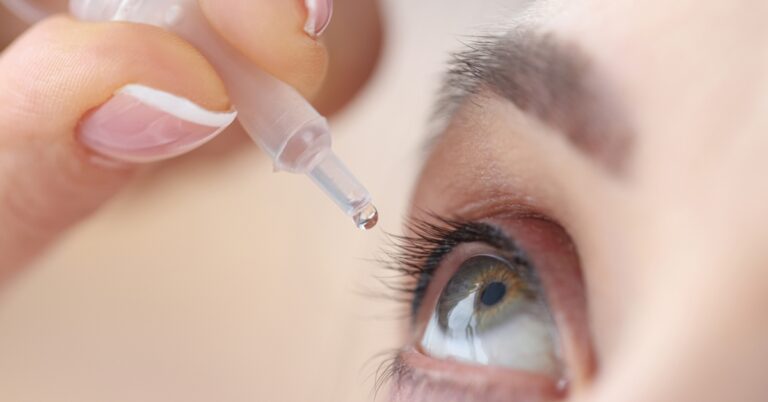
Can Menopause Cause Dry Eyes?
By Evolve Team • July 10, 2026Dry eyes are a common yet often overlooked symptom that some women experience during perimenopause and menopause. Hormonal changes, particularly declining estrogen levels, may affect tear production and the quality of the tear film that helps keep the eyes lubricated…. -

Healthcare Is Not a Subscription: Why Patients Deserve More Than Medication Fulfillment
By Evolve Team • July 6, 2026The retail telehealth industry has a dirty little secret. Many companies are no longer in the healthcare business. They’re really in the subscription business, where success is often measured by subscriber growth, retention rates, automation, and recurring monthly revenue rather… -

Can Menopause Cause Headaches?
By Evolve Team • June 19, 2026Headaches are a common symptom that many women experience during perimenopause and menopause. For some, headaches may become more frequent or feel different than they did earlier in life. Others may begin experiencing headaches for the first time as hormone… -

What Kind of Doctor Treats Low Testosterone?
By Evolve Team • June 17, 2026Low testosterone can affect more than just hormone levels. For many men, it can impact energy, mood, libido, body composition, mental clarity, and overall quality of life. When symptoms begin to interfere with daily activities, it’s common to wonder where… -

Can Low Testosterone Cause Mood Swings?
By Evolve Team • June 11, 2026Mood swings are often associated with stress, lack of sleep, or the pressures of everyday life. However, hormones can also influence emotional well-being. For some men, low testosterone may contribute to changes in mood, increased irritability, frustration, or feeling emotionally…
